
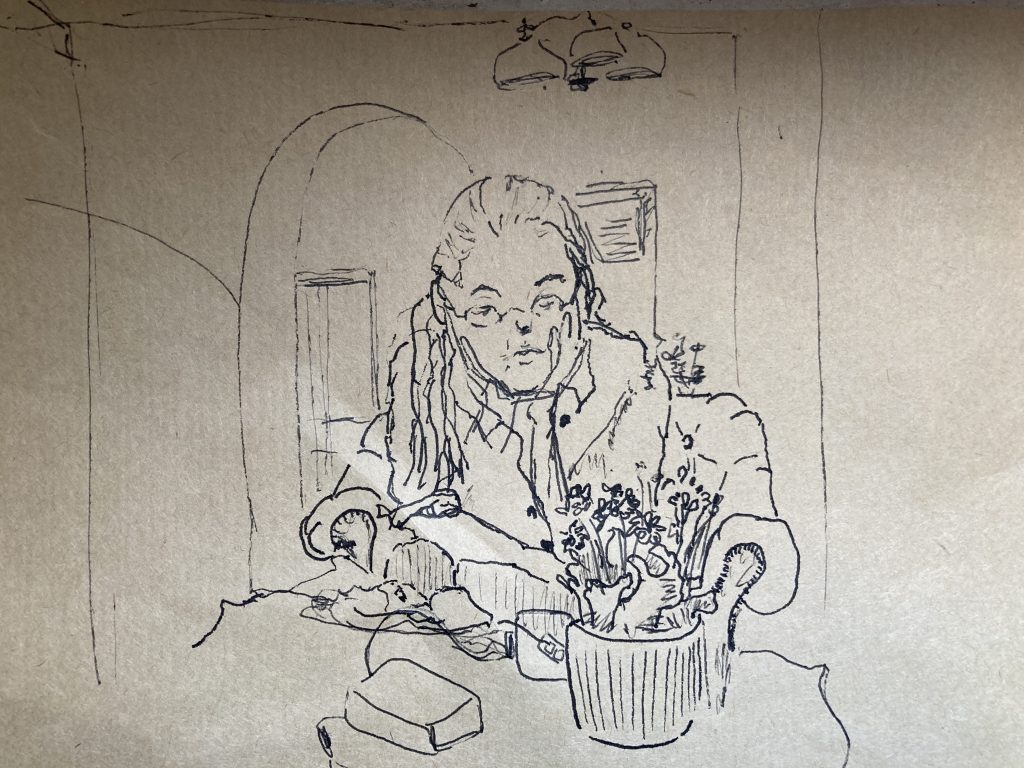
Sketch from the Karlovy Vary IFF 2026
This is a draft of a speech I gave at the Goethe-Institut in Porto Alegre, Brazil, where I was invited after serving on the FIPRESCI jury at the Festival de Brasília do Cinema Brasileiro. Due to the festival’s financial difficulties (reportedly, it nearly did not take place because of delays in receiving state funding), the Goethe-Institut generously sponsored my flight to Brasília and invited me to participate in activities at two of its other locations, in Porto Alegre (many thanks to Vitória Monteiro) and Rio de Janeiro (many thanks to Sérgio Allisson). I am immensely grateful for this opportunity and their support.

To introduce my work, I think I have to start from the beginning, because my early relationship with cinema continues to structure what I care about today. I was born in 1992 in Rzeszów, a provincial town in southeastern Poland, close to the border with Ukraine. It was the immediate post-socialist period, and my parents were trying hard to make ends meet amid the shock of inflation. My father eventually decided to work on a construction site in southern Germany, because my parents’ combined income in Poland was not enough to make a living.
The first thing my parents bought after saving money from his paychecks was a satellite television. After twenty-five years of limited access to global media—or, more precisely, Western media—satellite television became a window onto the world. Most of what we could receive was German-language programming, but that was already a dramatic expansion of what had been available to them before. My parents loved watching films, and I therefore also grew up in front of a television, especially watching older films from the 1930s through the 1950s. The newer films of the 1980s and 1990s were usually rented on VHS tapes; the VHS player itself was initially borrowed from friends. My parents are very hard-working people, and eventually we were able to buy our own player, followed by a DVD player, which expanded the selection of films we could watch. But even then, the range of films available to us was nothing compared with the access to cinema in Western European countries such as France, the UK, or Germany.
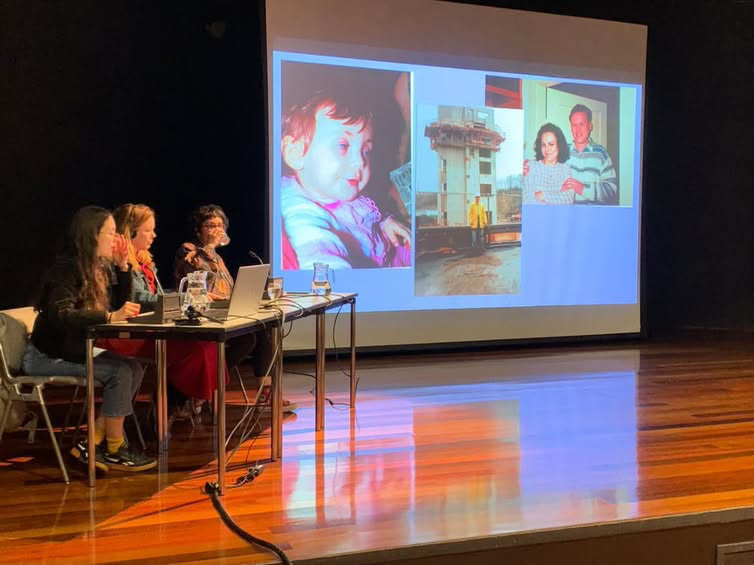
For a very long time, I learned to access cinema not only through films themselves but through written sources: articles, magazines, books I could find online or in libraries. I think this was one of the things that made me fall in love with film criticism. Looking back, I see that the logic of scarcity—the limited availability of films—created a deep yearning for cinema. It is also, interestingly, a logic that art cinema and film festivals themselves partly feed on: the idea that access to certain films is limited, that some films are difficult to see, and that their scarcity can make them feel more valuable.
I had been reading film magazines since I was around ten years old. Even while attending music school and playing the piano, I had already decided that I did not want to pursue music as a profession, but rather something related to film. I remember how difficult it was to attempt writing my first film reviews, trying to understand what a film review was supposed to look like and how it should be structured. At the time, film was still often considered something less worthy than literature, and of lesser educational value. I hope this has changed for children growing up today.

Another aspect of my early relationship with cinema was my seemingly strange interest in Chinese-language cinemas. I think this was partly connected to my lack of identification with contemporary Polish cinema. Polish cinema was struggling to adapt to the market after the 1990s, when a film industry that had previously been largely state-sponsored suddenly had to compete for audiences and box-office revenue. This happened in the context of the massive influx of Hollywood films, which had already colonised screens in many parts of the world. I found myself looking elsewhere, towards cinemas that seemed to offer different histories, different relationships to film production, and different ways of thinking about cinema.
During my bachelor’s degree in film studies, I came across a book on Asian cinemas written and edited by Polish film researchers. At the time, access to English-language books on film studies was also very limited, so this book became an important point of reference for me. One of its articles was dedicated to the films of Edward Yang, the Taiwanese filmmaker who was active from the 1980s until his premature death in 2007. In the descriptions and analyses of his films, I recognised something that closely resembled the feeling I had towards Poland: an annoyance with many aspects of national identity and national sentiment, combined with a deep care for the country and a desire to see it become more modern and more self-aware.
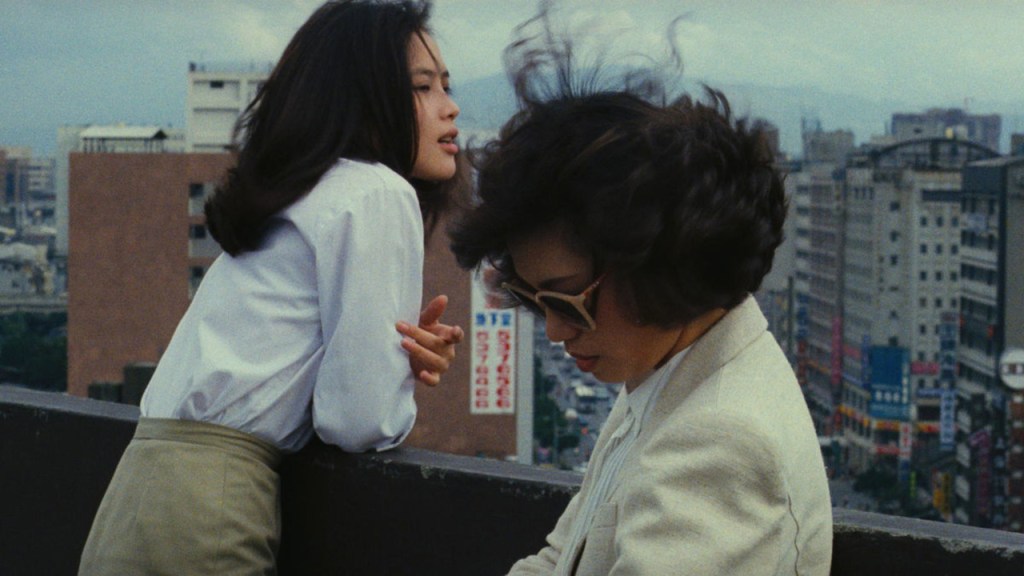
It was, in some ways, an annoyance with the very idea of nationality. Why should we identify, by default, with the country in which we happened to be born and raised? And yet, at the same time, I felt a deep sense of attachment and responsibility towards the place itself and its culture. I know this may sound abstract and contradictory, but that is precisely how it felt. In Edward Yang’s films, I could see a form of non-Western modernity—something I had been longing to encounter in contemporary Polish cinema at the time. Years later, I would recognise something similar in Polish cinema of the late 1950s and early 1960s.
At the same time, I was increasingly frustrated by the way many Polish film critics and researchers wrote about Chinese-language cinemas. Their writing often emphasised pessimism, alienation, collectivism, and other familiar stereotypes about modern East Asian societies. I wanted to understand these films differently, and I realised that I needed to acquire the means to do so myself. I decided to learn Chinese, partly to be able to approach Chinese-language cinema beyond the interpretive frameworks and stereotypes that had shaped much of what I had encountered.
Learning Chinese was also connected to a more practical ambition: I hoped that one day I would be able to interview filmmakers in Chinese, without relying on a translator, and have the freedom to communicate directly. That eventually happened—and much more followed from it.
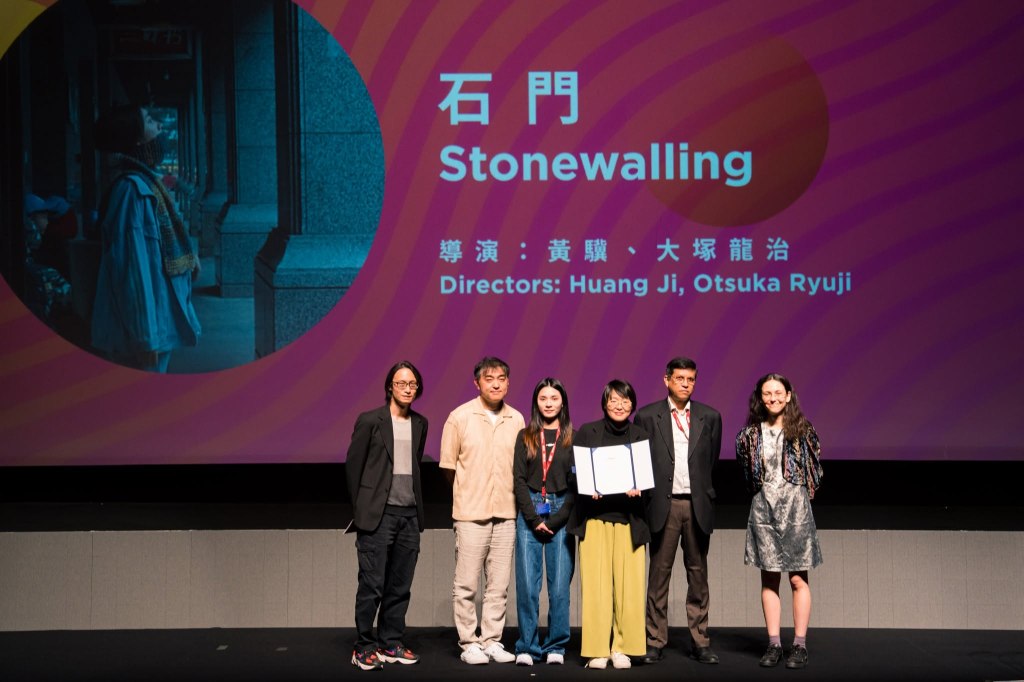
Today, I am very grateful that members of the Chinese film industry have more or less accepted me into their community. I remain, of course, a foreigner, and I am conscious of that position which comes with limitations. But I hope that I am also treated as a regular peer: someone who can participate in conversations about cinema on equal terms. This tension between being an outsider and becoming part of a community has remained important to the way I think about cinema, criticism, and my own position as a researcher and writer.
But going back to the story, two experiences in particular had a profound influence on my future. The first was attending the New Horizons Film Festival in Wrocław, Poland, between the ages of nineteen and twenty-three. The second was taking part in the People’s Jury, a film-criticism workshop at the Five Flavours Asian Film Festival in Warsaw. New Horizons introduced me to completely different kinds of cinema: non-narrative cinema, experimental cinema, slow cinema, and films that demanded a different kind of attention. It taught me patience. More importantly, it taught me how to approach cinema in a way that was not limited to dialogue, narrative, or genre, but to think about film language itself. Five Flavours was the first time I felt that I could actually voice my own opinion and decide what kinds of films I wanted to wholeheartedly share with other people—and, through that act of sharing, perhaps extend a film’s life or increase its visibility. Both experiences were deeply enlightening and empowering. Most probably, I would not have been able to participate in either of these training activities if the festivals at the time had required submission fees for their film critics’ workshops—something I will always oppose.
Even though I have been regularly writing essays, film festival reports, and film reviews since 2016, I was for a long time reluctant to call myself a “film critic”. The label can be perceived as pretentious, and there are many misconceptions about film critics among both the general public and the film industry. I believe that many of these barriers and misconceptions derive from a lack of dialogue: between film critics and filmmakers, between critics and audiences, and more broadly between the different groups that constitute the film world. Similar misconceptions and prejudices structure the relationships between filmmakers and audiences, film directors and producers, and many other participants in the film ecosystem.
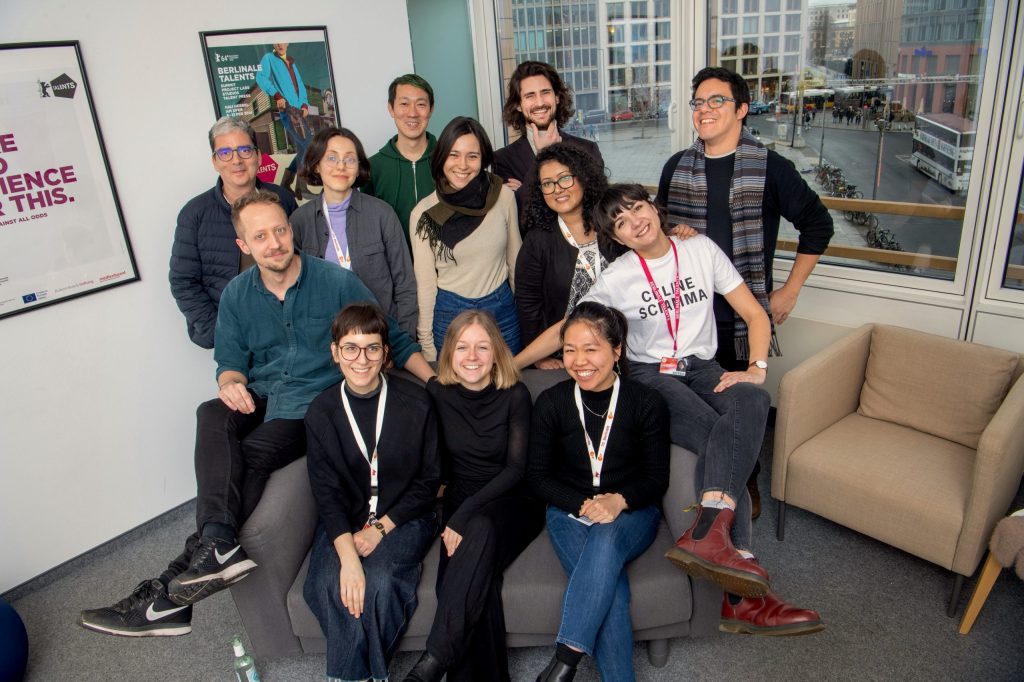
In 2020, I was selected to take part in Berlinale Talents Press. There I met and developed friendships with participants from all over the world—from Mexico, Turkey, Bulgaria, Mongolia, and many other countries. They were some of the most talented and brilliant people writing about cinema, but they were also people deeply aware of the structures that determine hierarchies within the international film festival circuit. Many were sensitive to questions of neocolonialism and to the institutional problems embedded in the global film market. These were precisely the issues that had troubled me during my first decade of working as a film journalist.
This experience changed my perception of what it meant to identify myself as a film critic. I felt that I was part of a community. That community was—and remains—diverse, fragmented, and full of different points of view, opinions, and smaller circles. But Berlinale Talents gave us an opportunity to meet one another and to recognise that, despite our differences, we were working within the same field.
There is another issue that I think is crucial to understanding film criticism today: its precariousness. None of the writers from my generation whom I know has a stable income or a permanent job at a newspaper. We are freelancers, pitching articles to newspapers and magazines, and many of us started by writing for free or for very little money. I remember receiving my first payment for an article only in 2020.
The economic precariousness of film criticism is particularly visible in the relationship between critics and film festivals. Most festivals do not provide accommodation or cover transportation costs for critics. We may also have to pay for press accreditation, from around twenty euros for Cannes to seventy euros for the Berlinale. Participation in a festival therefore becomes an investment, with the hope that it can eventually be recouped through writers’ fees from the articles we publish. Even participation in Berlinale Talents Press now comes with fees, whereas this was not the case when I participated in it in 2020.
As a result, film criticism is often only one of several jobs that we do. I was able to attend many film festivals only after receiving a DAAD scholarship to pursue my PhD in Berlin. This allowed me to combine my academic research with my work as a film critic. My doctoral research eventually resulted in a dissertation on China’s art cinema at film festivals, which I defended in July 2025. Many of my fellow writers work at universities or have several other jobs simply to make ends meet. Film criticism, for most of us, is not a profession that can be sustained economically on its own.
This precariousness also raises questions about the institutional structures of the festival circuit itself. Many film festivals act as though critics and filmmakers need festivals in order to survive, when in many ways the relationship is more reciprocal. I remember looking through the archives of the Locarno Film Festival in the 1980s and finding a piece of paper containing an article from Variety, featuring an interview with the chairman of FIAPF, the International Federation of Film Producers Associations. FIAPF was one of the organisations involved in structuring the hierarchy of the international film festival circuit through its system of festival accreditation and grading. What struck me in this interview was the statement that the grade a film festival received was not actually based on the number of world premieres, but on the participation of international film critics.
This article made me think differently about the position of critics within the festival ecosystem. Critics are often treated as peripheral participants, even though their presence, writing, and international networks have historically contributed to the legitimacy and visibility of film festivals. The same is true, in different ways, of the filmmakers whose films festivals use to construct their programmes, identities, and cultural capital.
I therefore think it is time for many of the players in the film market to rethink their positions towards global art cinema: how value is assigned to films, how cultural hierarchies are constructed, and what kinds of institutions are considered necessary to sustain cinema.
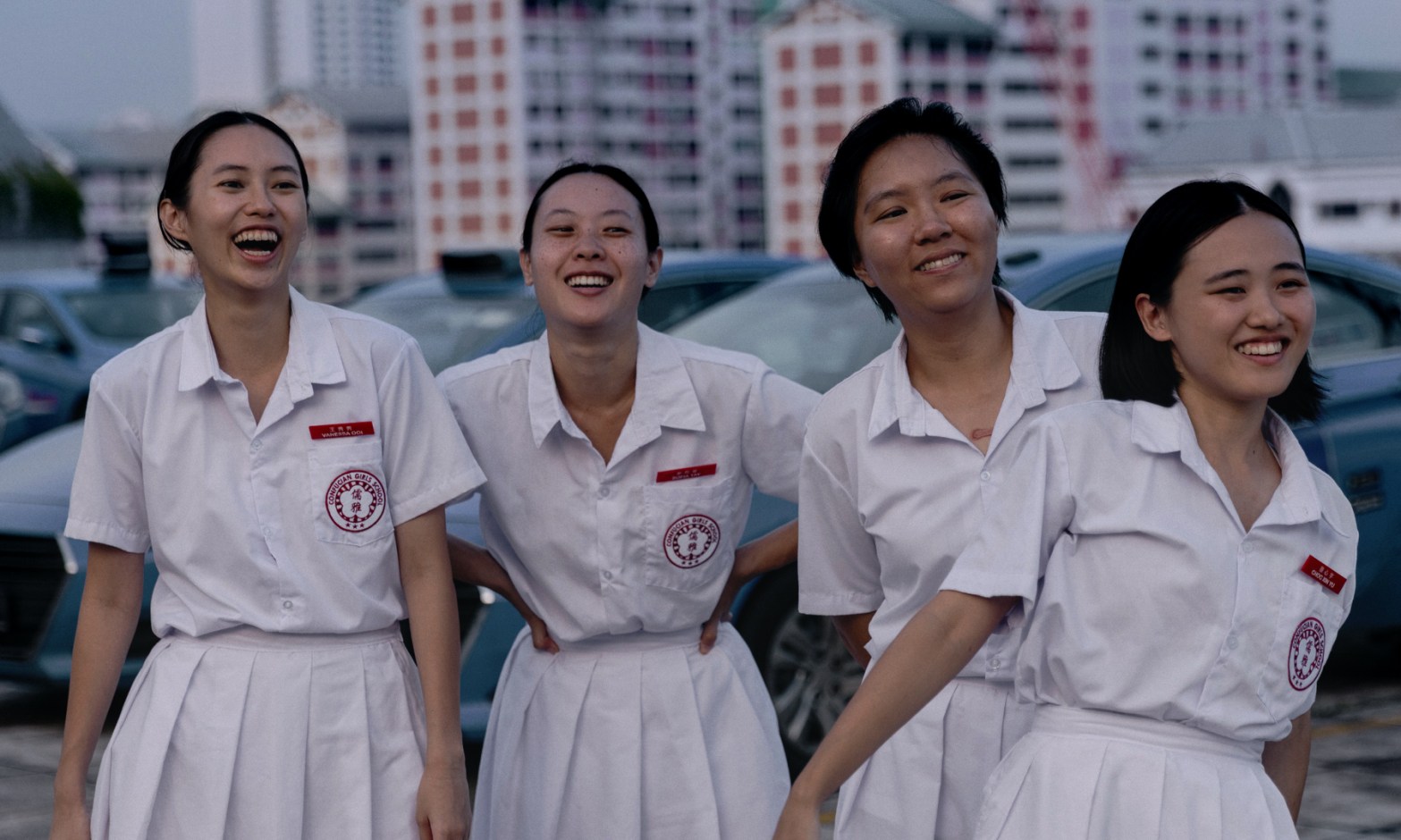
On a sunny morning sometime in early April in Amsterdam, I met Singaporean filmmaker Tan Siyou who was showing her debut feature film Amoeba at the CinemAsia Film Festival.
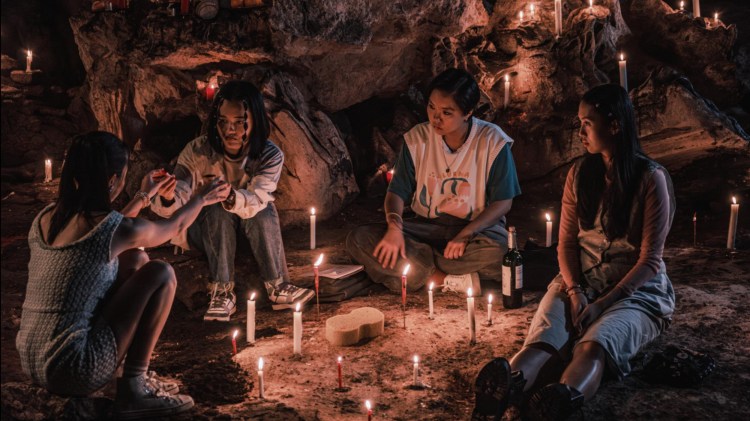
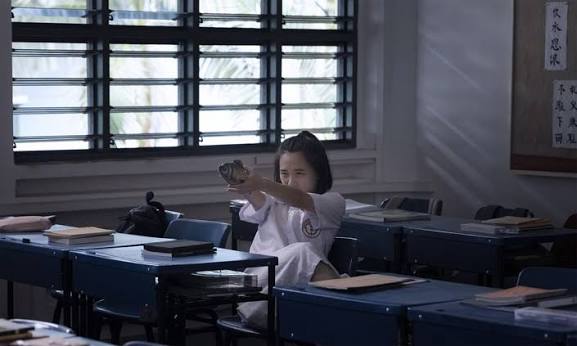
Amoeba focuses on the misfit teenager, Choo, in a conservative, elite Chinese-language high school in Singapore. After being transferred, she befriends three classmates of different social classes but equally critical of school as an oppressive institution. They bond over the shared worldview and form a gang, but the social structure and future choices inevitably tear them apart.
Tan Siyou discusses the function of the camera within the narrative, teenage desire, Singaporean society, and exhibition and reception of the film in Singapore, China, Taiwan and worldwide at film festivals.

Maja: At the time we first met in Berlin in 2022, you were still looking for co-producers for Amoeba. It’s a huge co-production, with five countries involved. After the release in Singapore, do you already have information about distribution in the countries of the co-producers?
Siyou: Besides Singapore, we also sold the film to the Netherlands. Yesterday I met my co-producers and they told me the film should come out in cinemas here in July.
Maja: That’s perfect timing for the end of the school year.
Siyou: Exactly. Then the kids can go see it.
Maja: In Singapore, though, teenagers and university students won’t be able to go to see it in cinemas, because the film got the rating P21 from the board of film censors. Maybe they might be able to watch it online?
Siyou: I think it’s sad because university students especially really want to watch it. Of course it’s unfortunate they can’t see it properly in a cinema with good sound and projection. But there’s also something interesting about this underground feeling. And honestly, it’s very moving for me to see how badly teenagers want to watch the film. Some of them told me they bought tickets but got turned away from the cinema because of the age restriction.
The multiplexes didn’t really want to take Amoeba. I think partly because of the 21 rating. It limits the audience and also restricts the screening venues. On top of that, it’s considered a sensitive film. So only the new Projector, which is now called Filmhouse, agreed to screen it. Honestly, I’m happy about that because I love that space. It’s independent, it’s in an old building, and it always felt like a dream to have a film shown there.
Maja: Is it still in Golden Mile Tower?
Siyou: Yes, same place. New management, new owner, but essentially the same cinema. I think they even kept a lot of the staff.
Maja: I was also wondering: did you ever consider another title besides Amoeba?
Siyou: For the English title, yes, but eventually I couldn’t think of another title that felt right. One of my mentors in Torino suggested naming the film after the gang in the story. He said that maybe Amoeba wasn’t attractive enough as a title. A lot of people told me it sounded too scientific or too abstract, that it didn’t immediately communicate what the film was about.
But after thinking about it for a long time, I realized I really wanted it to be called Amoeba. I think when I was growing up, I felt like an amoeba myself. There’s something about shapelessness and formlessness that felt important to me. Also the connection to water in the film. And the fact that amoebas are invisible to the naked eye—it relates to the ghosts and invisible presences throughout the film. The whole film is about things that cannot be seen but are still there. So even if it wasn’t the “sexiest” title, I felt it was the right one.
Maja: I actually think it’s very memorable. Especially at film festivals, where many titles—particularly for mainland Chinese films—are long and difficult to remember. Amoeba is very evocative.
Siyou: I’m happy to hear that. During development, a lot of people told me not to use it. But it was one of the few things I felt stubborn about. And what’s interesting is that audiences really seem to understand the title in their own ways. People come up to me after screenings and say, “I felt like an amoeba too.” In Singapore especially, several people told me that growing up they also felt this strange shapelessness.
Maja: There were many elements in the film that resonated with me deeply. Even the idea of the amoeba itself—there’s a kind of self-sufficiency to it.
Siyou: Yes, exactly. It’s tiny and strange, but independent. I really like that. Especially when you’re growing up in an environment that doesn’t necessarily feel friendly. Particularly in high school.
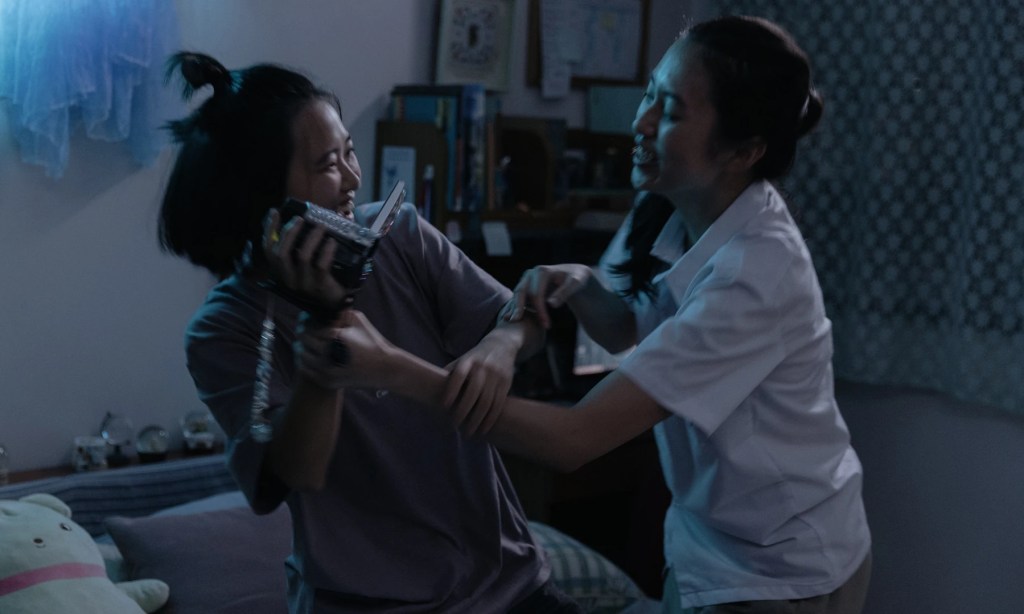
Maja: I also connected strongly to the presence of the digital camera in the film. In high school I was always the person filming everything—making little music videos from summer footage or recordings from the last day of school. And I also went to a Catholic high school with uniforms and strict rules, so there were many things in Amoeba that felt very familiar. What do you think makes the camera so appealing for teenagers?
Siyou: I actually didn’t grow up with a camera myself. There was always another friend in the group who had one. Sometimes I feel jealous of people who say, “Oh, we have family archives of videos from when we were children,” because my family never really cared about documenting things like that.
It was only much later, maybe when I was in college, that I started watching more films and became interested in film photography. That’s when I bought my own film camera and began taking pictures. And I realized something: I liked being behind the camera because it felt safe. The camera creates a distance. You’re part of the world, but slightly protected from it at the same time. I also like recording things because my memory is not very good. So for me, cameras became a way of preserving moments and people.
In Amoeba, I use the camera to show Choo’s position within the group. She belongs to the group, but she’s also slightly outside of it. She’s the new girl, she’s different.
The camera also becomes a way for the girls to reclaim an old object that adults no longer value. In Singapore, I often feel that old things are discarded very quickly. There’s always a focus on the new: new buildings, new infrastructure, new development. So the camera becomes a transmission object. The girls pass it between themselves. It’s their way of immortalizing themselves and gaining some agency in an environment that doesn’t really allow much of that.
Maja: There’s also that scene that’s very sexually charged, where the camera is literally at the center of everything. I was wondering whether you intended that scene to remain elusive—or whether, without concerns about ratings and distribution, it might have been more explicit.
Siyou: No, I think that scene needed exactly that balance. For me it was important to capture teenage desire, but also the fear of acting on that desire. I didn’t want consummation. In my experience, teenage desire rarely reaches that point. It hovers somewhere in between. And because nothing fully happens, you continue thinking about it afterward. That lingering feeling interested me much more. So the scene is really about this spark of desire that appears suddenly and disappears just as quickly, but leaves an emotional mark.
It’s also realistic to growing up in Singapore. You’re aware your parents are outside the room. They could walk in at any moment. There’s constant anxiety.
I also wanted the camera and the girl to become intertwined. Is Choo moving closer because of attraction to the girl? Or because of the camera? The two desires become inseparable.
And I think watching someone sleep is an incredibly intimate act. Allowing someone to watch you sleep is intimate too.
Maja: When the camera goes missing later, that’s what Choo is truly afraid of—not because anything necessarily happened, but because the footage itself feels private.
Siyou: Exactly. In that environment, you grow up already knowing what you are not supposed to do. So you move around the boundaries. Maybe something happened, maybe nothing happened. But everyone knows it’s dangerous, and everyone knows they could get into trouble.
Maja: There are so many things in the film that exist between visibility and invisibility. You mentioned before that the characters are composites of different people you knew growing up. But you also said you had your own “gang” in school.
Siyou Tan: Kind of, yes. I went to a school like the one in the film. At first I had a group of friends, but I was always the one who argued with teachers. My friends would tell me: “Just keep your head down. Don’t fight back.” Eventually the teachers moved me into a so-called “bad” class full of students with poor grades and sports kids. That’s where I met these three girls. We immediately became friends. And for the first time in my life, people weren’t telling me to stop rebelling. Instead they were saying: “Okay, let’s go.” It was a very important friendship for me because it was built around resisting the system together.
At the same time, it was also this group of closet lesbians who never openly talked about it. But we all somehow understood each other. There was a very deep connection that remained mostly unspoken. After two years we all transferred to different schools, and that separation really stayed with me. We’re still close friends today, but that first heartbreak of losing a group like that never really left me. For a long time I think I romanticized those years. Teenage friendship feels eternal at the time. It feels almost like romantic love.
Maja: Did your friends recognize themselves in the film?
Siyou: Yes—and no. One of them, who is closest to Gina’s character, told me: “Art imitates life and life imitates art.” They were all very touched. And the funny thing is that I never told them I was making a film inspired by our friendship. So in a way, the film became my expression of affection toward them. After they watched it, our group chat became active again. Everyone started asking, “Who is this character based on? Is that supposed to be me?” And I kept saying, “No, no, it’s not exactly you.”
Maja: There’s something uniquely powerful about coming-of-age stories. Watching Amoeba, I was also thinking about Happyend and how both films deal with separation and the end of friendship.
Siyou: That’s interesting because I actually know Neo Sora. We went to the same school. At one point we met and realized we were both making films about friendship. I think many people connect to this moment in life when exams or educational systems suddenly separate you from the people you love.
For me, bridges in Amoeba symbolize transition. When Choo crosses the bridge and encounters the funeral procession, she’s moving toward a transformation. Teenage years themselves are very transitional. Everything feels fluid and unstable. Emotions are amplified to an extreme degree. Something small happens and it feels like the end of the world. That emotional intensity interests me a lot.
But I also think coming of age in Singapore is very different from coming of age in America, for example. In the US, adolescence is often framed as a period of discovery—discovering who you are and what you love. In Singapore, I sometimes feel it’s the opposite. It’s less about discovery and more about suppression. Growing up there, I often felt my life was part of a larger national project. Singapore is small, and everyone is expected to contribute. So coming of age becomes learning how to accept responsibility toward the collective. In that sense, it can feel like the killing of a part of yourself.
Maja: So it’s almost a reverse coming-of-age process.
Siyou: Exactly. But then groups like the girls in Amoeba become forms of resistance. That’s also why the gangsterism aspect became interesting to me. When I was growing up, there were still small groups of gangsters hanging around outside malls smoking cigarettes. But today you barely see them anymore.
During my research, I became fascinated by the history of gangs in Chinese communities. Originally, many gangs emerged as political organizations during the Qing dynasty. Their purpose was to restore the Ming dynasty. Even Sun Yat-sen had ties to gang networks. So originally these groups weren’t about crime. They were about brotherhood, loyalty, righteousness, and political ideals. That was what interested me—not criminality itself, but this longing for solidarity and collective identity.
Maja: And at the same time, the state fears people organizing together.
Siyou: Exactly. I think governments are often afraid of collective mobilization. The girls’ friendship in the film is very pure, but friendship itself can become political. Once people unite, they might begin questioning things together. That’s why the school in the film also becomes a model of the entire society.
What fascinated me when the film screened in China was how strongly young audiences there connected to it. I honestly never expected the film to screen there at all because of censorship. But somehow it passed and screened at the Pingyao International Film Festival. The response was incredible. Young audiences really embraced it.
That was very striking to me because I never consciously intended to make a film “about” China. But the structures of obedience, hierarchy, social control, and Confucian values resonate strongly between the two societies. Singapore and China have this interesting relationship where they almost seem to learn governance strategies from one another.
Maja: Singapore becomes a kind of testing ground.
Siyou: Yes. Singapore is small enough that policies and social experiments can be tested there before being scaled up elsewhere. What surprised me most in China, though, was how vibrant the young audience felt. At Pingyao there were so many passionate cinephiles. The Q&As were energetic, emotional, and intellectually engaged. I found that very hopeful. A lot of young people I met there expressed a desire not to live the same lives as their parents. They wanted something different, more freedom, less pressure, less control. I think that’s why the film connected there more deeply than I expected.
Maja: Whenever I’m in China, I feel like different times are layered on top of each other. There’s something very new and very fast, but there are also many old things still present. Different temporalities coexist there.
Siyou: I remember speaking with a journalist there who was trying to understand the Singaporean system. She said something very interesting to me: “In a way, Singapore might actually be harder to live in because it’s so small. In China, if I want to disappear for a while, I can go live in Gansu and no one will bother me.”
Maja: You can escape.
Siyou: Exactly. And that made me rethink my assumptions. I had always imagined China as being more repressive, but I realized that the methods of repression are actually quite similar. The difference is that Singapore is so small that you feel the control much more intensely. Every part of your life feels managed.
Maja: Definitely. That’s also something I felt when I studied at NUS for a semester and lived in a dorm. I had this strange love-hate relationship with Singapore. There are still many green areas where you can escape, but at the same time there’s this pressure everywhere—people constantly talking about startups, productivity, success.
Siyou: Yeah, exactly. The pressure to make money, to do something “responsible” with your life.
Maja: Yes.
Siyou: The green spaces are interesting too. On the one hand, I understand that Singapore is small and that there’s a need to build housing. But when I was growing up, there were many more open spaces—empty fields where we could run around, fly kites, just spend time. Every time I go back now, something else has disappeared. It becomes another giant building or another mall. And I keep wondering: why do we need another mall?
Maja: It’s also a question of values. Why buy another thing?
Siyou: Exactly. Why buy another Lamborghini when you already have ten?
Maja: As if there’s nothing else to do.
Siyou: I think it comes from this ideology of convenience. Everything is designed to make life smooth and efficient. You get a job, you get paid, you have children, and there’s this very clear path laid out for you. If you follow it properly, your life will be comfortable.
Maja: I also wanted to ask about the reception of Amoeba in Taiwan, especially at the Golden Horse Film Festival.
Siyou: Having Gao Jie there was amazing. We did the Q&As together and he has such a calm, charismatic presence. He’s iconic, but also strangely zen. The reception in Taiwan was very good. I remember one Q&A where there was a young Singaporean boy in the audience. He said, “I can’t even see this film when I go back home.” Then he asked me whether he could have auditioned for the film. And I was like, “Well… no, because you’re a boy.” But I found it moving that this Singaporean family had come all the way to Taiwan and ended up watching Amoeba there. I think it speaks to the fact that many Singaporeans are searching for something culturally, but they often don’t know exactly what they’re looking for because art and culture are not prioritized in Singapore.
What was really meaningful for me about the Singapore screenings was that they brought people back to the cinema. I had one group of friends tell me that they hadn’t watched a movie together in a cinema since they were sixteen years old. I was shocked. They said they had forgotten the feeling of going to the cinema together, buying popcorn, sitting in the dark with friends. And many people came out of the screenings very emotional. Some were crying, but they couldn’t even explain why. They just said, “I feel a lot.” For me, that was important. I don’t necessarily want people to think analytically first—I want them to feel.
I think Singapore is a place where people are trained to prioritize logic, productivity, and making the “correct” choices. Feelings are often suppressed because, in order to survive in such a highly capitalistic society, you have to cut off parts of yourself.
In Taiwan, I think audiences related strongly to the school system portrayed in the film because there are similarities. One of our Taiwanese collaborators, who had also been considered as a potential co-producer, told me that she deeply connected with the film because she had also been seen as the “bad girl” in school. She said teachers used to tell her she had no future. So I think Taiwanese audiences recognized those dynamics very clearly. At the same time, Taiwanese viewers seemed to approach the film more as cinema, whereas Singaporean audiences often reacted to it almost as if it were a documentary.
Maja: Because Taiwan already has such a strong tradition of coming-of-age cinema. There’s more distance there. People can appreciate the film formally and aesthetically.
Siyou: Exactly. Taiwanese audiences tended to ask more questions about the cinematic language, whereas for Singaporean viewers the experience felt much more immediate and personal.
Maja: Are you working on a new project now?
Siyou: I’m trying to. I think my films are always centered around women because I grew up with three sisters and my mother in a very female environment.
Making Amoeba also made me think more deeply about my supposed role in society, and about what it means to be Chinese in Singapore. For me, “Chinese-ness” in Singapore is tied to this complicated reality that Chinese people are, in some ways, settlers on land that was not originally theirs. I’ve become very interested in asking how Singapore became so overwhelmingly Chinese within only a few decades.
Maja: I guess because it became a trade hub. There was money and opportunity.
Siyou: Exactly. But I’m interested in how power became concentrated in such a way that Singapore ended up culturally resembling China in certain aspects. The success of Amoeba also gave me more confidence to explore political questions in cinema. Growing up in Singapore, we are trained to be apolitical. We’re told not to worry because the government will take care of everything. But as I got older, I realized that almost every aspect of life is political: whether you can buy a house, what school you attend, what job you can get. These things are all structured by policies and systems. For a long time I was afraid to touch political subjects in my work, but now I feel more confident that I have a voice and a perspective worth exploring.
Maja: That reminds me of something I wanted to ask you. At the International Film Festival Rotterdam I saw a film by Mary Stephen called The Shadows of Silk from the 1980s.
Siyou: I haven’t seen that one, but I saw her recent film, Palimpsest.
Maja: I loved Palimpsest too. But The Shadows of Silk is fascinating—it’s basically an epistolary fiction film about two women exchanging letters. Part of it takes place in Singapore and part in Shanghai. What struck me was that many audience members didn’t even register that parts of the film were set in Singapore. That made me think about how foreigners sometimes perceive Singapore almost as an extension of China.

Siyou: Totally. When I’m overseas, people often ask me, “Singapore? Which part of China is that?” And I’m like: “It’s in Southeast Asia.” But it really made me think about Singaporean identity. Chinese migration intensified in the twentieth century, and over time Singapore became more Chinese than indigenous. There are also Indian communities because of British colonial history, so the country became this complicated multi-racial society.
What I find strange is how managed all of it feels. In Singapore, everyone knows there’s this idea that the racial balance should remain stable—roughly a certain percentage Chinese, a certain percentage Malay, and so on. Immigration policies are shaped around maintaining that balance. And that made me think a lot about myself as someone descended from Chinese migrants. My mother is from China. My father’s grandfather came from China too. So what does it mean to belong to the majority race in a place where your ancestors were not indigenous? How did Singapore become so Chinese? That’s also why Amoeba focuses entirely on Chinese Singaporeans. Singapore itself is not entirely Chinese, but I went to a Chinese-language school and that’s the world I knew intimately. I wanted to explore the “Chinese-ness” of Singapore through that environment.
Singapore’s relationship with China is deeply complicated. I recently worked on filming tours at Bukit Brown Cemetery, where many graves were destroyed during redevelopment. Listening to the stories there was incredible because the graves themselves reveal history. Many of the inscriptions describe people as subjects of the Qing dynasty who always intended to return to China. So I became fascinated by how generations of migrants who originally saw Singapore only as a temporary place for work eventually transformed the country itself.
Maja: Especially with all the instability happening in China in the early XXth century.
Siyou: Exactly. At some point it became: maybe it’s simply better to stay here. And there were still strong ties between Southeast Asia and China throughout the twentieth century. In my own family, there’s still exchange with relatives in China. My grandfather even worked in Myanmar for a period. Southeast Asia and China are deeply connected through migration histories.
Maja: For me, one of the most interesting aspects of Amoeba is how it addresses class society. Filmmakers, and even recently Anthony Chen with We Are All Strangers, often focus on depicting the working class. Could you talk a bit more about your treatment of the topic?
Siyou: I think with Amoeba, I wanted to show characters like Sophia and Choo. Choo is just a normal person. She’s not poor — she’s middle class. Most people are like Choo. But I wanted to show Sophia, who comes from a very privileged background, because I wanted to talk about class in a way that doesn’t simply show poor people collecting cardboard. I wanted to focus on a very average person and how that person feels in a country where wealth is considered the most important thing.
You become aware that there are things you don’t have access to. At the same time, people like Sophia are often portrayed through the lens of Crazy Rich Asians, where wealth becomes glamorized. That’s also why I wanted to connect the gang to Sophia’s family. In Singapore, everything is about money, and being rich is seen as everybody’s goal. Growing up in Singapore, I never realized there were such huge houses until I visited my friends’ homes. But it’s also more complicated than that for me, because friends like Sophia have shown me so much of the world. They brought me chocolates and cameras, and they were always generous and willing to share. So I think class is more complicated.
Maja: Yes, of course. This is also the great potential of setting the film in a school — or school in general — because it allows you to come into contact with different social classes.
Siyou: It’s really eye-opening. At least it was for me.
Maja: Yes! I remember that, for me, going to school — even elementary school — was the moment when I became aware of class differences because of my friends’ different family backgrounds.
Siyou: Yes, because you don’t know what you don’t have. Then you go to school, everyone comes from different places, and you start to understand these differences. But in the end, it’s about whether we can form a connection. It’s not simply about how much money someone has. Of course, some people think that way, but for me, I can connect with all sorts of different people regardless of class. And I think school is a kind of democratic space where you make friends based on shared interests.
Maja: Yes. It’s very oppressive, but at the same time very democratic.
Siyou: Exactly. The school system is very twisted. With the film, I specifically wanted to set it in an elite school because Singapore is a place that really strives toward elitism. I wouldn’t necessarily say Singapore itself is elite, but it’s a society that aspires to be elite, and there’s something very elitist about that mentality.
Here at CinemAsia I was talking to a Malaysian filmmaker, Lau Kek-Huat, who studied and lived in both Singapore and Malaysia. It was interesting because he said that, in Malaysia, Chinese schools also rank students — this is the good class, this is the bad class — but students are not necessarily treated differently because of it. It’s understood simply as a difference in grades or learning ability. But in Singapore, the treatment you receive is very different depending on whether you’re in the “good” class or the “bad” class. The school becomes a microcosm of society itself. If you’re a banker, you’re treated well, but if you work as a delivery driver, people tend to look down on you.
So I wanted to explore this elitist mentality in Singapore through the film, which is why I chose to set it in an elite school. But I’m also careful to say that this school is not meant to represent all of Singapore. It’s specifically this environment that the film focuses on.
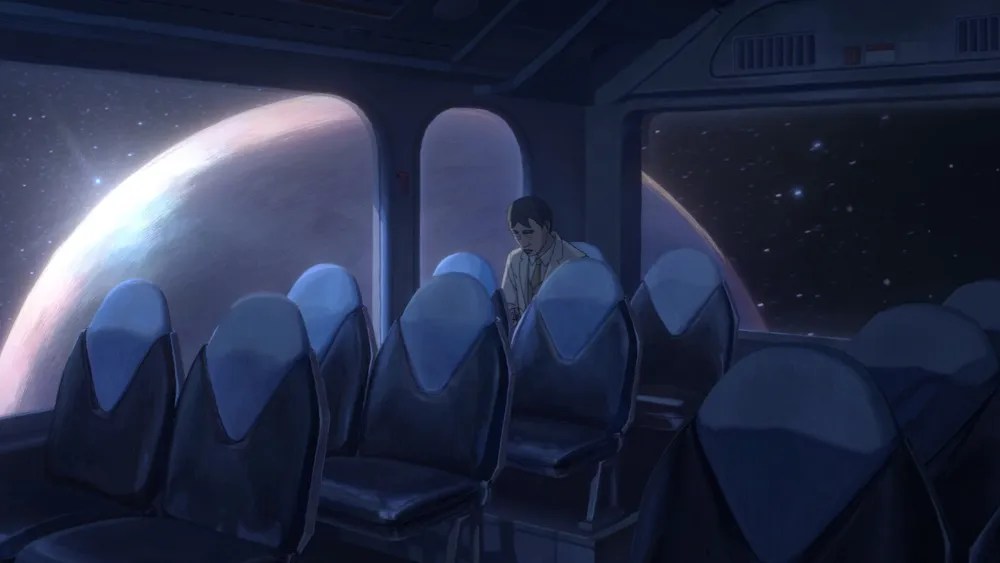
In 2024, director Xu Zao’s mid-length film No Changes Have Taken In Our Life premiered at the International Film Festival Rotterdam (IFFR), where it received considerable praise from audiences and critics. This year, his first animated feature, Light Pillar, was selected for the Perspectives competition at the Berlin International Film Festival.
Although only two years separate the productions of the two films, the evolution in Xu’s filmmaking is clearly perceptible. The almost desperate sense of anxiety in No Changes Have Taken In Our Life gradually transforms into a kind of deadpan humor in Light Pillar, which also expands into a much larger-scale animated production. Yet the core of Xu’s filmmaking has remained unchanged: his empathy and care for his characters. He is willing to spend time understanding their loneliness, carefully depicting the contradictions and predicaments that become entangled in their everyday lives.
During the Berlin International Film Festival, I met Xu in an interview room on the top floor of the Berlinale Palast to talk about the making of Light Pillar, the film’s various Easter eggs, and the distinctive qualities of cinema from Northeast China. Light Pillar was undoubtedly one of the Chinese-language films that attracted the most attention on the international festival circuit this year. Later, I watched the film again on the big screen at the Karlovy Vary International Film Festival. Watching Light Pillar among Czech audiences, who have a particular appreciation for deadpan humor, offered a different experience altogether: the film felt more immediate, bringing its bitterness and humor into sharper relief at the same time.

Maja: How did you start working on Light Pillar? What was the original inspiration for the film?
Xu Zao: I wrote the script when I was still in school. The initial premise was to tell the story of a lonely person who falls victim to an online scam. It was based on a news story I had seen, but there wasn’t quite enough material in it to sustain a film, so later I incorporated elements from my previous work experience. For example, I used to work in film art departments, so I often had to go to film studios and look for locations. I incorporated some of those experiences into the story. Basically, that’s how it gradually became the film you see now.
Maja: How did you become interested in film in the first place? Why did you choose to study it?
Xu Zao: I actually started out studying painting. People who study painting naturally develop a certain affinity or sensitivity toward images, and cinema obviously contains an enormous amount of imagery, so I became particularly interested in watching films. There wasn’t really one specific film that had a particularly strong influence on me or made me decide to make films. I just found cinema as a whole very fascinating. It was mainly the visual aspect. Compared with a good story, I might actually prefer a film with beautiful images.
Maja: I really like the references to earlier films in Light Pillar, such as The Black Cannon Incident. I’m also curious: what does the history of Chinese cinema mean to contemporary filmmakers?
Xu Zao: Perhaps young people today are more able to engage in a dialogue with the rest of the world. In the past, Chinese filmmakers often seemed more like they were “talking to themselves”—putting out whatever they wanted to express without necessarily considering whether everyone else could understand it. But fortunately, those things were interesting to people around the world because they were things they had never seen before.
So I think the international interest in the older generation of Chinese directors was often more about form. For our generation, because we live in a globalized context, the emotions and social conditions we encounter are actually quite similar. So the way we can move people through genuine emotional connections is somewhat different from what the previous generation of filmmakers did.
We may no longer attract audiences around the world through particularly “Chinese” forms or things with an especially “Chinese style.” Instead, we can draw audiences in through the most fundamental kind of emotional connection that cinema can create.

Maja: For most of the film we’re watching a snowy landscape which looks like Northeast China, although it could technically be somewhere else. You’re from the Northeast, how does your personal background influence your work?
Xu Zao: The geography, ecology, and climate of Northeast China all influence the creative style of its filmmakers. That’s why you can find certain similarities among the works of many filmmakers from the Northeast. There’s nothing we can really do about that—it’s something that comes from our “genes.”
This time in Germany, many German audiences have also really liked the film. Although it hasn’t been officially released yet, the feedback from many media outlets has been very positive. They have been able to sense the emotions in the film.
And after coming to Germany, I discovered that Germany is actually quite similar to my hometown. The urban environment, people’s state of mind, and even the food are all quite similar to Northeast China. So when these external factors are similar, the things inside people’s hearts can actually be quite similar as well.
Maja: Yes, Germany and Northeast China really are quite similar. Even the food in both places includes things like meat stews. I’m also curious about the digital world in the film. It was shot in live action, while the real world is animated. Why did you make that choice?
Xu Zao: Originally, the entire film was going to be animated. Later, I started thinking about how to create a stronger distinction between the virtual world and the real world. The virtual world and the real world are inherently different, of course, and we experimented with many different ways of representing that difference. In the end, though, I felt that live action worked better because it created the strongest contrast with the 2D animation. 2D animation inherently has a sense of flatness. It is linear and abstract. The live-action footage, by contrast, is highly three-dimensional and vivid. For the protagonist, his original life is very monotonous and dull, so using 2D animation to represent it felt appropriate. But once he enters the virtual world, that place suddenly becomes colorful, three-dimensional, and vivid, almost like an entirely new and more attractive world. So the contrast also fits the logic of the story.
Q: There’s a particularly interesting character—the extra wearing glasses. At first I thought you had played him yourself. Then I realized you hadn’t. Who is he?
Xu Zao: He’s a Chinese director named Li Hongqi.
Maja: Ah, Li Hongqi. I hadn’t seen a photo of him before. But I’ve seen Winter Vacations, which he shot in Northeast China. I can imagine his own personality is very similar to the character in Light Pillar—there’s something slightly inscrutable and neurotic about him.
Xu Zao: Yes, he’s extremely laid-back.
Maja: How would you define the characteristics of “Northeast Chinese cinema”?
Xu Zao: Maybe it’s winter. The essential gene of all the good films from Northeast China is this: how do people live optimistically in a place where the weather is extremely cold and the conditions of life are so harsh? That may actually be what most films from Northeast China are really trying to express.
Q: How has Light Pillar changed compared with your previous work?
Xu Zao: In terms of production, it’s a little more polished. Light Pillar was made by a somewhat larger team, so it’s no longer quite as “completely independent” as my earlier work. But in terms of what I’m trying to express, including the visual style, it’s actually still the same. The images have simply become more refined, and the character animation has a slightly higher frame rate.
Maja: Did you actually visit those old film studios?
Xu Zao: Yes. Before production, we basically traveled to around fifteen or sixteen film studios across China. We then incorporated the things I found interesting or representative into the film. A lot of the locations are really based on visual references. For example, the setting from A Chinese Odyssey is in Yinchuan. And the Sphinx setting you see in the film is actually in a film studio in Anhui. There are many different cinematic landscapes mixed together.
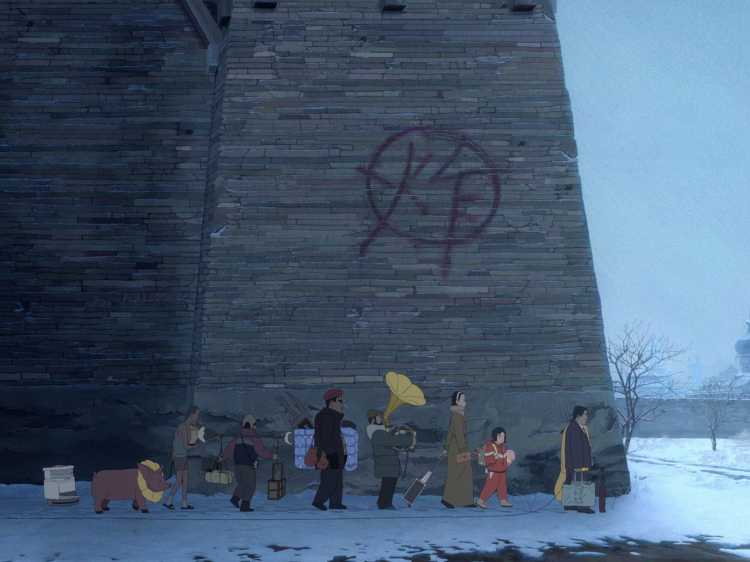
Maja: That’s interesting, because film studios themselves are a kind of hybrid space between East and West. While watching the film, I kept wondering who that old director in the wheelchair was.
Xu Zao: There were actually some specific ideas about him at the beginning, but later I didn’t want to make him too specific, so I chose to show only the back of his head. He can be anyone you imagine him to be.
Maja: I thought of directors such as Xie Jin or Zhang Yimou. (laughs) You mentioned earlier that the climate here is similar to Northeast China. Apart from that, do you think audiences in Berlin have responded differently? For example, when you were at IFFR, was there any reaction that surprised you?

Xu Zao: When I was in Rotterdam, I honestly didn’t expect the film to resonate with so many people. After all, it’s a story that is deeply rooted in China. But when I actually took it to international film festivals, I discovered that the difficulties people face and their social conditions are actually quite similar. For example, after a screening in The Hague, there was a student from Amsterdam. He was a local, and he said that his problems finding employment were very similar to what we see in the film.
So before that, I had assumed that people’s responses would be very different. But when we actually started talking, I realized that these problems are essentially the same everywhere. Coming to Berlin this time, I also feel that the emotional connection with audiences is actually very strong. There haven’t really been any questions that went particularly beyond what I had imagined.
Maja: I think it’s not just about work, but also about relationships. Especially in Berlin, a lot of people are constantly trying to get into a relationship, but they can’t find a partner, so they end up feeling extremely lonely.
Xu Zao: Yes, that’s a global issue. It’s not really a “flaw”; it’s a state of life that we need to learn to coexist with. We need to accept it. And humanity’s capacity to endure loneliness is actually growing stronger and stronger.
Maja: Since it’s a contemporary story, why did you choose to set it in the near future?
Xu Zao: Because I didn’t want it to be too far removed from reality. If it were set in a particularly distant future, the story might feel somewhat untethered. But if it’s set in the near future, it’s something we can imagine and relate to. For example, space tourism projects are already being planned, and people have already traveled into space. So something like that could actually happen within the next ten years.
Personally, I prefer this kind of science fiction that stays close to reality. With particularly grand-scale science fiction films, I sometimes feel that they’re a little too distant. I prefer to approach science fiction from a very small point of entry, from a perspective that is close to us, and use that to look at questions about the future.
2024年,徐澡导演的中片《還內样》(No Changes Have Taken In Our Life)在鹿特丹国际电影节(IFFR)首映,收获了不少观众与评论人的好评。今年,他的动画长片首作《寒夜灯柱》(Light Pillar)入选柏林电影节「视点」(Perspectives)竞赛单元。
虽然两部作品的制作仅相隔两年,但仍能清楚感受到创作上的变化。《還內样》中那种近乎走投无路的焦虑感,在《寒夜灯柱》中逐渐转化为冷幽默,并延伸至规模更大的动画制作。然而,徐澡创作的核心始终未变——对人物的同理心与关怀。他愿意花时间理解角色的孤独,也细细描摹他们生活中那些彼此冲突、纠缠不清的矛盾与困境。
柏林电影节期间,我与徐澡约在柏林电影宫顶层的采访室,聊了《寒夜灯柱》的制作过程、片中的各种彩蛋,以及东北电影独有的气质。《寒夜灯柱》无疑是今年最受国际电影节关注的中国电影之一。后来,我又在卡罗维发利国际电影节的大银幕上重看了这部作品。在擅长欣赏冷幽默的捷克观众之间观看《寒夜灯柱》,又是另一番感受——它变得更加贴近观众,也更能让人同时体会到其中的苦涩与幽默。
问: 你是怎么开始准备《寒夜灯柱》呢?最初的灵感来源是什么?
徐澡:这个本子是我当时在上学的时候写的。最开始的设定,就是想写这样一个孤独的人被网络诈骗的故事。这是根据我看到的一个新闻,但是它承载的内容可能稍微有点少,所以后面又结合了我之前的工作经历。比如我之前做过电影美术,需要经常在影视城里面找一些场景什么的,然后就把这些元素结合到了这个故事里面。基本上就是现在看到的这个样子。
问: 那你是怎么对电影感兴趣的?为什么会选择学电影呢?
徐澡:我最早其实是学画画的。学画画的人天然会对图像有一种喜欢或者敏感,那么电影承载的图像量肯定是最大的,所以我就特别喜欢看电影。其实没有什么特别具体、特别影响我去做电影的某一部影片,只是电影整体给我的感觉是很迷人的。主要还是影像上的东西。相比于好的故事,我可能更喜欢画面漂亮的电影。
问: 我在《寒夜灯柱》里面喜欢你对之前一些电影的参考,比如像《黑炮事件》。我也很好奇,你觉得对于当代电影人来说,中国电影历史意味着什么?
徐澡:可能现在的年轻人更多能够跟世界去对话了。之前我们中国的电影人,很多时候更像是在“自说自话”,就是把自己想表达的东西抖出来,但不见得所有人都能理解。但好在,对于全世界的人来说,那些东西是有趣的,是他们之前没见过的。所以大家对老一代导演感兴趣,更多是在形式层面。对于我们这一代人来说,因为在全球化语境之下,我们面对的情感和社会状态其实都很相似。所以我们怎么能够通过真正的情感连接去打动人,是和上一代电影人不太一样的地方。我们可能不会再通过特别“中国化”的形式、特别“中国风”的东西去吸引全世界的人,而是通过电影最本质的那种情感连接来吸引观众。
问: 其实我看你的电影,会蛮明确地感觉到这是一个中国故事。你是东北人,虽然电影里大部分时间都在下雪,看起来像东北,但也可能是别的地方。你的个人背景会带来什么样的影响?
徐澡:肯定会。本身东北的地理、生态环境,还有气候,都会影响创作者的创作风格。所以很多东北创作者的作品里,其实会有一些相似的东西,这是没办法改变的,属于“基因”里面带来的。这次来德国,很多德国观众也都很喜欢这个片子。虽然还没有正式公映,但很多媒体反馈都很好,他们都能够感受到这种情感。而且我来到德国以后,发现德国跟我的老家其实挺像的。整个城市环境,包括人的状态,甚至饮食,都跟中国东北很相似。所以当这些外在因素很接近的时候,人内心里的东西其实也会很接近。

问: 对,确实,德国和东北蛮像的,甚至两个地方的菜都有炖肉等等。我也好奇,你片子里面那个“快乐之家”的数字化世界是实拍的,但现实世界反而是动画。为什么会这样选择?
徐澡:因为最开始其实全片都是动画。后来我在想,怎么能让虚拟世界和现实世界产生更大的区别。本身虚拟世界和现实世界就是不一样的,中间试过很多方式,但最后还是觉得实拍会更好,因为它跟二维动画的反差是最大的。二维动画本身有一种平面感,它是线条化的、抽象的。而实拍部分则是非常立体、生动的影像。对于这个主角来说,他原本的生活其实是很单调乏味的,所以二维动画来表现他的生活是准确的;而当他进入虚拟世界之后,这个地方突然变得丰富多彩、立体、生动,好像是一个全新的、更吸引他的世界。所以这种反差也比较符合整个情节设定。
问: 有一个特别有趣的角色,就是那个戴眼镜的群众演员。我本来还以为是你自己演的。后来发现不是。那是谁演的?
徐澡:是一个中国导演,叫李红旗。
问: 啊,是李红旗,我之前没有看过他的照片。不过他在东北拍的《寒假》我看过。我觉得他本人的气质和那个角色很像,有点让人捉摸不透、神经兮兮的感觉。
徐澡:对,非常佛系。
问: 那你会怎么定义“东北电影”的特色?
徐澡:可能就是冬天吧。所有好看的东北电影,它们最核心的基因,就是:在一个天气非常冷的地方,人们怎么在这样严峻的生活环境里乐观地活下来。这可能是大多数东北电影真正想表达的东西。
问: 《寒夜灯柱》和你之前的创作相比,有什么变化吗?
徐澡:制作上会更精良一些,因为《寒夜灯柱》会有一个稍微大一点的团队来制作,所以没有那么“完全独立”了。但表达上,包括美术风格上,其实还是一样的。只是画面变得更精致了一些,人物动画的帧数更多了一点而已。
问: 你有没有真的去过那些老的影视基地?
徐澡:有。我们在制作之前,基本上跑遍了中国大概十五六个影视基地,然后把我觉得有趣、或者有代表性的东西融合在一起。很多地方其实都是基于视觉来的。比如《大话西游》的那个场景就在银川;还有你看到的那个“师臣”的场景,其实是在安徽的一个影视城。有很多不同影视景观的混合。
问: 那很有意思,因为影视城本身其实也是一种东西方混合的空间。我看片子的时候,一直在想那个坐轮椅的老导演到底是谁。
徐澡:其实最开始确实有一些具体设定,但后来我不想把他表现得太具体,所以用了只拍后脑勺的方式。他可以是你心里想象的任何一个人。
问: 我会想到谢晋导演或张艺谋导演。(笑)你刚才提到这里的气候和东北很像。除了这一点之外,你觉得柏林观众会有什么不同反馈吗?比如你之前在鹿特丹国际电影节的时候,有没有什么让你意外的反馈?
徐澡:最开始我在鹿特丹的时候,其实没想到这个片子会引起那么多共鸣。因为它毕竟是一个非常扎根中国本土的故事。但当我真正把它带到世界电影节以后,我发现大家面对的困境、社会状态,其实都很相似。比如在海牙的一场映后,有一个阿姆斯特丹的学生,他也是本地人,他说他的就业问题和片子里的状态非常相似。所以我之前会以为大家的反馈会很不一样,但真正聊起来才发现,这些问题其实都是一样的。所以这次来到柏林,我也觉得大家在情感上的连接其实很紧密。没有什么特别超出我想象的问题。
问: 我觉得这不只是工作的情况,也包括感情状态。尤其在柏林,很多人都一直想进入一段关系,但其实又找不到对象,会非常寂寞。
徐澡:对,这是一个世界性的话题。它其实不算是一种“缺点”,而是一种我们需要学会共处的生活状态。我们需要接受这种东西。而且人类对于孤独的承受能力,其实正在变得越来越强。
问: 如果是当代题材的话,你为什么会选择把故事设定在近未来?
徐澡:因为我不希望它离现实太远。如果特别遥不可及的话,这个故事会显得有点悬浮。但如果是近未来,那就是我们能够想象、能够接触到的。比如现在已经有太空旅行项目在规划当中了,也已经有人真正去太空旅行。所以这种事情可能在未来十年之内就会发生。我本人其实更喜欢这种离现实比较近的科幻。对于特别宏大的科幻片来说,我会觉得稍微有点遥远。我更喜欢从一个很小的切入点、一个离我们比较近的视角去看待科幻问题。

As the programme of the 76th Berlinale was announced, there were more questions than answers about how the festival would unfold. For several years now, a perception has solidified within the film industry that the Berlinale increasingly survives on films that had been previously rejected by Cannes Film Festival and Venice Film Festival. This year press conferences attracted more attention than any film in the festival programme, which once again makes the filmmakers think twice where to premiere their new works. The atmosphere at the festival is getting colder and colder (not only due to several snowfalls) as film industry members and audiences tried to make sense of the festival programme.
Polarisation
This impression of a loss of significance of the Berlinale and being pushed to the margins has only deepened as the festival’s reputation has suffered from an unresolved tension between its self-proclaimed identity as a forum for open political debate and the position of the German government, which provides roughly 40% of its funding. Berlin’s continued support for Israel and its refusal to acknowledge the genocide of the Palestinian people in Gaza have placed the festival in an increasingly precarious position. The remaining budget, secured through private sponsorship, has proved unstable: Uber has withdrawn, and only Armani remains a committed yearly partner. To make matters worse, the lease of the Berlinale Palast is becoming increasingly expensive. Therefore, there are rumors that in the coming years the Berlinale centre might leave the symbol of unified Germany—Potsdamer Platz—especially since it has already lost two major screening venues there, CineStar and Arsenal in the Sony Centre, in previous years. This might mean a return to its Cold War-era infrastructure, with Zoo Palast in West Berlin serving as the festival centre.
The unease became palpable during the opening press conference when juries were asked if they support “selective treatment of human rights” that the journalist asking the question identified as the position of the German government which supports Ukraine in its struggle against the Russian aggression but does not acknowledge genocide of Palestinian people in Gaza by the Israeli.
Producer Ewa Puszczyńska reacted aggressively, calling the question unfair and confusing Senegal with Sudan in an attempt to cite another “war conflict.” The exchange exposed not only generational divides but also a deeper attitude within parts of the European film establishment—an art-for-art’s-sake posture that treats moral inquiry as an intrusion. If Wenders seemed entitled and bewildered, Puszczyńska projected irritation, like a parent chastised by a child for uncomfortable truths.
The journalist pressing these questions was Tilo Jung from the platform Jung & Naiv, who appeared repeatedly at press conferences, asking variations of the same question about Gaza. The strategy bordered on provocation; controversy guarantees visibility. Similar scenes have unfolded elsewhere: Michelle Yeoh deflecting questions about Donald Trump, Rupert Grint fielding inquiries about fascism in the UK. This year at Berlinale press conferences, a cascade of questions about the political standpoints of filmmakers was not limited to Iranian or Chinese filmmakers. I smiled to myself and felt that finally some justice had been done. Western artists, long accustomed to occupying a position of presumed moral superiority, found themselves under scrutiny. That reversal, however clumsy in execution, felt overdue.
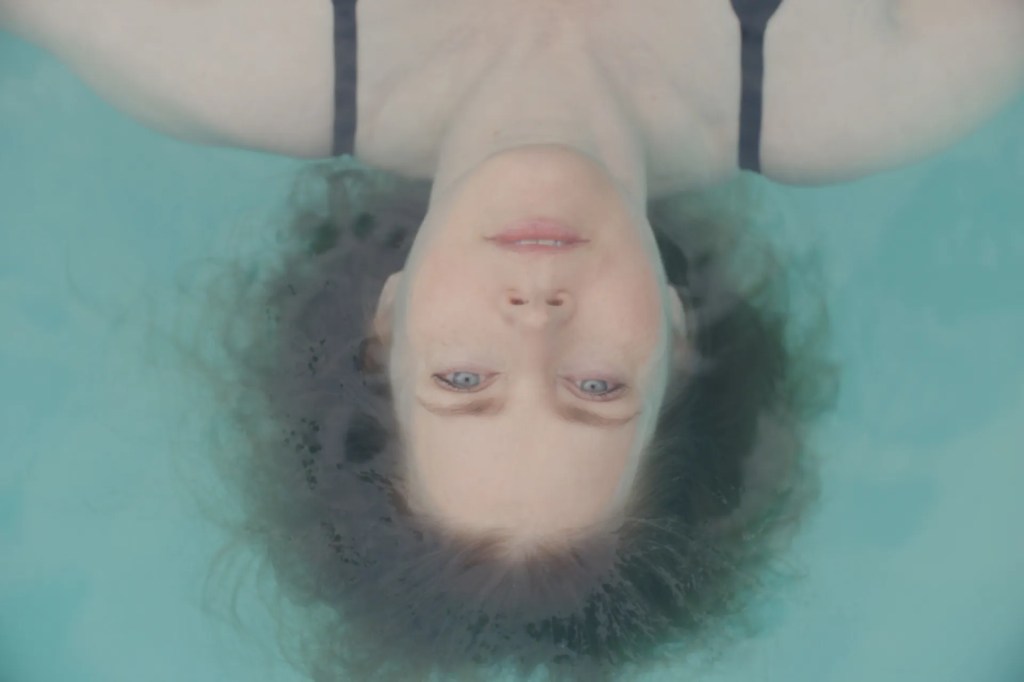
What makes a competition film?
If the political climate revealed confusion, the programming exposed a deeper identity crisis. The 76th edition’s main competition was discussed by film critics as largely devoid of well-known auteurs, maybe with the exception of Kornél Mundruczó—his latest work reportedly bypassed by Cannes and Venice. Yet the issue is not simply the absence of established auteurs, because why should every new film by a well-known director automatically enter competition, regardless of its merit? Symbolic capital—reputation, networks, accumulated prestige—does not guarantee artistic value. The problem lies in the institutional mechanisms that regulate art cinema itself.
The inclusion of Josephine, a Sundance product developed over four years of workshops and premiered at Sundance Film Festival only two weeks before Berlin, raised further questions. Was its competition slot justified artistically, or did it function primarily to secure American stars on the red carpet? Those same stars appeared ill-prepared—or unwilling—to respond to inevitable questions about Palestine. Channing Tatum offered perhaps the most awkward example, pretending not to hear a question and moving on. Whether self-censorship or genuine disconnection, the effect was unsettling. These are artists who perform care on screen, often in narratives about trauma, yet retreat into silence when confronted with present realities. Keeping discourse at the level of the personal is safe. It is the cluelessness that unnerves.
Under the leadership of Tricia Tuttle, the festival has introduced structural changes, including the new Perspectives section dedicated to debut features. Some organisers argue that the most innovative works have been placed there rather than in competition. Yet this only sharpens the question: what distinguishes the main competition from Panorama, Forum, Generation, or Perspectives? Traditionally, Panorama foregrounded queer cinema, Forum experimental and essayistic works, and Generation coming-of-age stories. Now the boundaries blur without presenting a coherent curatorial thought behind the selection. The hierarchy remains, but the conceptual clarity dissolves. The festival begins to resemble a film with a messy structure, uncertain of its own thesis, yet obliged to perform coherence because funding has already been secured and the show must go on.
Even programming decisions in other sections appear arbitrary. Why is The Day She Returns – a new film by Hong Sang-soo, a story of a middle-aged actress being interviewed by three young women journalists upon her returning to the film industry after a decade of hiatus – placed in Panorama when it contains no overt queer element? Has conversation between women become sufficient to justify such categorisation? Forum, once a bastion of formal radicalism, increasingly serves as a repository for films that fit nowhere else. Indonesian comedy horror Ghost in the Cell, directed by Joko Anwar, might seem more at home at the International Film Festival Rotterdam, long known for championing Southeast Asian genre cinema. Another film of a similar nature—Sleep No More, a horror film revolving around cases of an evil spirit possessing and killing sleep-deprived factory workers who decide to take additional shifts—found a home in the amorphous Berlinale Special section, as new works by the film’s director, Edwin, usually land there if there is no better opportunity to enter an A-list film festival competition section, as was the case with Vengeance Is Mine, Others Pay Cash, which won the Golden Leopard at the Locarno FF in 2021.
Meanwhile, Palestinian cinema was indeed programmed at the Berlinale, even as the Palestinian Film Institute called for a boycott of the festival. The Q&As following screenings of Collapse, in which Israeli documentary filmmaker Anat Even returns to her completely destroyed hometown in the Gaza Strip, and Chronicles from the Siege, about the lives of Palestinian civilians trapped in a war zone during the siege of a fictitious small town, became spaces where pro-Palestinian and pro-Israeli groups argued vehemently. Therefore, it cannot be said that the festival organisers refused to provide space for discussing the situation in Gaza.

However, in Berlin, leftist circles had already passed judgment on the festival and saw the crisis as an opportunity to draw attention to events organised by grassroots initiatives. The alternative “Barlinale” mocked the official festival, yet articulated no clear artistic proposition of its own. Opposition replaced dialogue; symbolic gestures replaced structural critique.
Ultimately, the problem extends beyond Berlin. Contemporary art cinema, across festivals, increasingly relies on recognisable clichés: formulaically beautiful images, languid wanderings through landscapes and cityscapes, indulgent nostalgia, rehearsals of personal and collective trauma. Colonial histories and imperial violence remain urgent subjects, yet their aesthetic codification risks turning memory into mannerism. The Berlinale’s crisis, then, is not simply one of reputation or political discomfort. It is a symptom of a broader institutional fatigue—an art world unsure of its ethical position, its aesthetic criteria, and its capacity to imagine forms adequate to the present.
The Name of the Rose
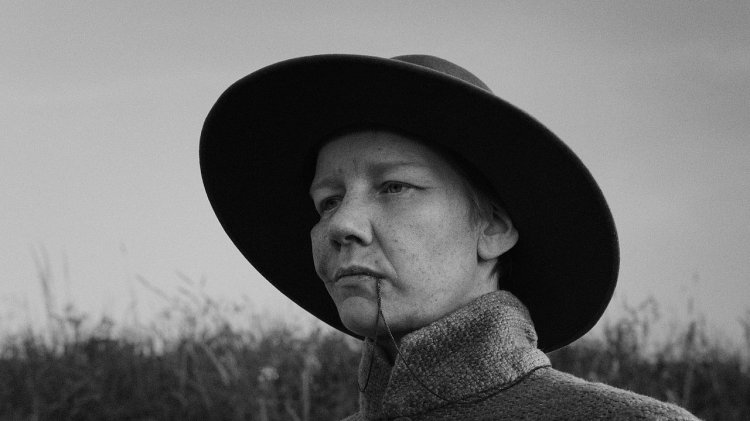
The titles in the competition of main A-list film festivals tend to increasingly sound very similarily. At the Berlinale it was either a female name, roses or the sea. There is Rose—the story of an enigmatic soldier who, in the aftermath of the Thirty Years’ War in the seventeenth century, returns to a secluded German village and claims to be the heir to a long-abandoned farmstead, all the while pretending to be a man. Celebrating Sandra Hüller’s performance in the leading role, the film actually dazzles with its brilliantly written script. The conscious decision to narrate many of the plot’s key events through voice-over or dialogue, rather than depicting them explicitly, has a greater impact than any scene of violence or abuse.
There is Nina Roza, about an art curator who travels from Canada back to Bulgaria thirty years after leaving her home country to meet Nina, a young Bulgarian girl whose paintings are “discovered” by an Italian art dealer and pushed onto the art market. Roza is the name of the main character’s daughter, who goes through a crisis seemingly grounded in her experience of migrating from Bulgaria to Canada at a very young age. The parallel between Nina and Roza is well crafted, the film offering a complex portrayal of parenthood and the consequences of migration from “backward Eastern Europe” to the “developed and prosperous West.” There is Rosebush Pruning—a MUBI-produced stylish arthouse film that has little to offer beyond an image of a privileged, bored, and demoralised American upper class and a gross misuse of film music. Filmmakers should think twice before choosing iconic songs by Pet Shop Boys to give their tasteless works a bit of character. There is Josephine—a clean-cut American indie drama in which the filmmaker attempts to deal with her own trauma by traumatising audiences with a rape scene at the very beginning of the film. Is it responsible for a filmmaker to use such tactics to manipulate the audience’s emotional reactions? Then there is the compulsory Middle Eastern entry, Yellow Letters, Salvation, In a Whisper—one of the favourite pastimes of Berlin International Film Festival juries and press being to discuss the problems of Islamic societies. There are German titles, compulsory in the Berlinale competition: Angela Schanelec’s My Wife Cries, and Yellow Letters—largely a German production disguised as Turkish, a topic I will return to when discussing the winning films. There are women-centred narratives from Latin America or Africa—this year Soumsoum, the Night of the Stars and Flies (Moscas). There are stories of sad, sad men, with Everybody Diggs Bill Evans—an American biopic trying hard to be the equivalent of last year’s brilliant Richard Linklater film Blue Moon—and The Loneliest Man of Earth. There is an odd Chinese-language family saga (We Are All Strangers), and genre flicks such as the anti-western Wolfram and the horror film Nighborn. The curious selection is rounded out by animations and films with elements of animation: Yo (Love Is a Rebellious Bird) and the Japanese anime At the Dawn.
The only film that really stood out in the competition is Dao. It marks the French-Senegalese filmmaker Alain Gomis’s third time in the Berlinale main competition—his first was with his 2012 fiction film Today, and his second with his 2017 feature film Félicité. In 2022, he premiered his mid-length film Rewind & Play in the Berlinale Forum section, a film that became one of the most discussed titles at the Berlinale and was widely recommended long after the festival ended. Rewind & Play is composed of a collection of archival footage that unveils the untold story behind the popular pianist Thelonious Monk’s 1969 TV interview in Paris.
Alain Gomis clearly shows an interest in media and performativity, and in how they blur the boundary between fiction and documentary. Dao opens with an explanation of the title, delivered in an opening shot characteristic of an essay film. It states: “DAO is a perpetual and circular movement which flows in everything and unites the world.” The film begins with a series of casting interviews, accompanied by an off-screen voice stating that “the first step is to make this family.” Many of the interviewees are middle-aged women, as the film crew searches for someone to play Gloria, the main character whose daughter is about to get married. The women share their thoughts on the script and reflect on their position in society, their life experiences, and their outlook on work and romantic relationships. It is through these conversations that the filmmaker builds a relationship between himself, the actors, and the audience.
Actors and non-actors are cast and brought together to become relatives celebrating two ceremonies taking place within the African community: a wedding in Paris and a funeral-like death ritual in Guinea-Bissau. The filmmaker seamlessly edits the scenes of the wedding and the funeral together, creating the feeling of a nearly perfect circular motion, moving between locations, cultural contexts, rituals, costumes, and meanings. In this over three-hour film, there is not a single moment that seems dull or unnecessary.
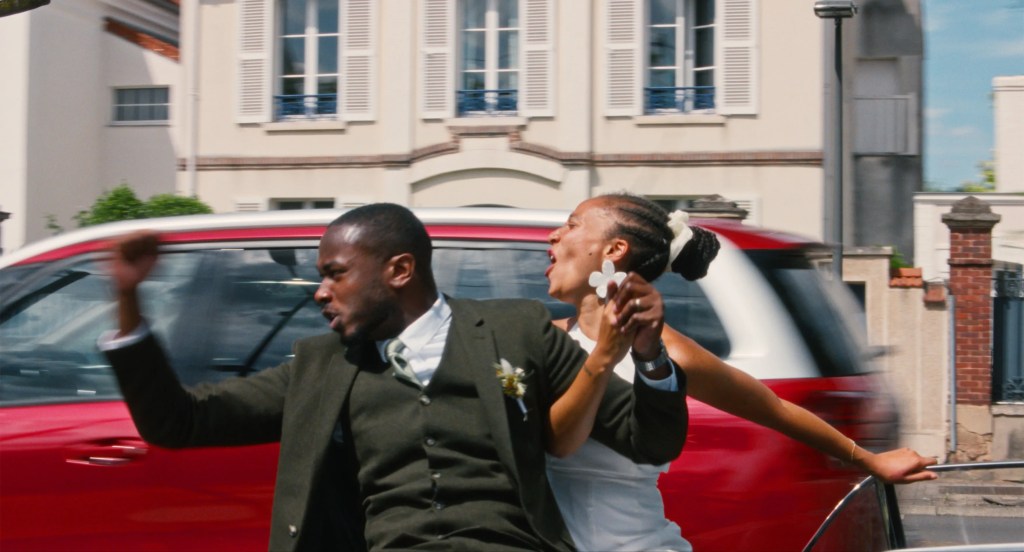
Alain Gomis is especially interested in the workings of memory and in how certain events remain in people’s minds forever, many of them involving family celebrations. Interestingly, a look at the names listed in the end credits reveals that many of the non-actors featured in the film are Gomis’ own relatives. The funeral of the family’s patriarch, as well as the wedding of the young granddaughter, becomes an opportunity for commemoration, celebration, voicing complaints, and staging the must-haves of weddings and funerals: arguments between family members and the occasional brawl. Both negative and positive emotions become cathartic. Performativity creates a healthy distance that allows the family members to move on with their lives.
Finally, Alain Gomis’ choice of a jazz soundtrack gives the film a distinct character that oscillates between sadness and joy. In Dao, the filmmaker reaches new heights of editing mastery and achieves what Fei Mu, in his 1934 essay, calls 空气— a cinematic atmosphere that makes the audience engage with the story and breathe together with the characters on screen.
Image of falling
While the film by Alain Gomis was arguably the only outstanding entry in the main competition, Perspectives, dedicated to debut fiction features, proved to be the most interesting section of the festival.
In the stylish black-and-white period drama Red Hangar, Chilean director Juan Pablo Sallato depicts the immediate aftermath of the coup d’état. He takes the audience back to September 1973 in Chile’s capital, Santiago, when the socialist president of Chile, Salvador Allende, and his Popular Unity coalition government were overthrown by a group of military officers led by General Augusto Pinochet. Allende, who has been described as the first Marxist to be democratically elected president in a Latin American liberal democracy, faced significant social unrest and political tension with the opposition-controlled National Congress of Chile. On 11 September 1973, General Augusto Pinochet seized power in a coup, ending civilian rule.
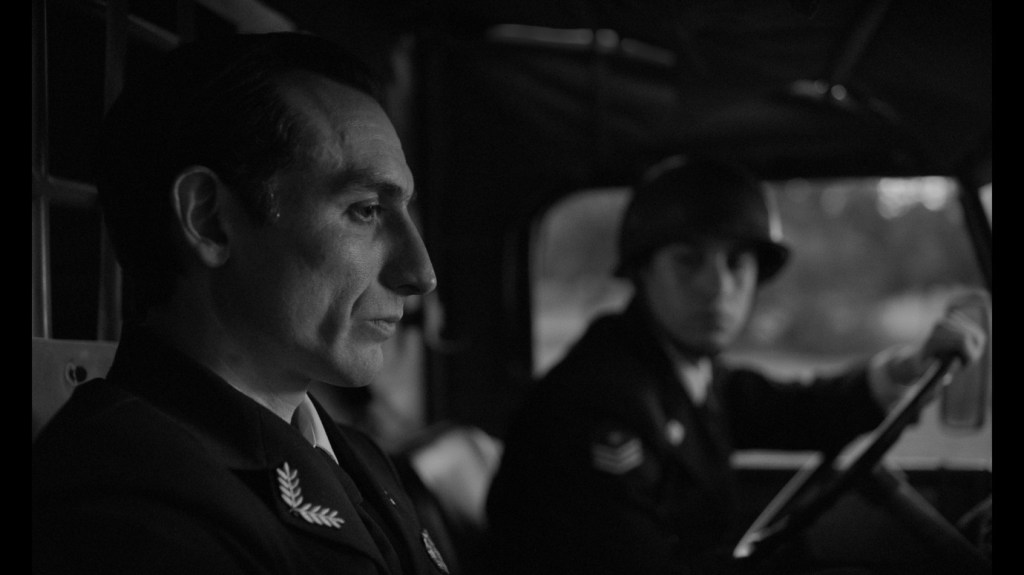
As the military coup unfolds across the country, Captain Jorge Silva—the former head of Air Force Intelligence and a legendary parachutist—receives an order to transform the Air Force Academy, where he currently trains young cadets, into a centre for the detention and torture of people accused of communist sympathies. Silva is appalled by the lack of judicial oversight and the cruelty towards the detainees; this inner conflict changes his life forever, as every military coup presents an opportunity to reshuffle the ranks.
Red Hangar is dominated by close-ups and stunning acting performances, especially from Nicolás Zárate in the main role. Sallato adopts a strategy very similar to that of László Nemes in his Holocaust drama Son of Saul: he allows us to see and hear just enough to understand what is happening, while avoiding any direct depiction of the full scale of brutality. The filmmaker skilfully builds suspense and controls the pace of the narrative, dissecting the moral dilemmas within the ranks of the army. The film conveys the rise of authoritarianism as something akin to watching an approaching avalanche, paralysing the confused protagonists who are soon trapped beneath the snow. The atmosphere of inevitability is reinforced by oneiric sequences of Captain Jorge Silva’s experience of falling through the sky while parachuting.
Oniristic scenes are also frequently evoked in Prayer for the Dying, which landed on the other end of the spectrum in the Perspectives section as one of the weakest entries of the festival. In this co-production between Sweden, Norway, the US, and Slovakia, Dara Van Dusen—a graduate of the Polish Łódź Film School—takes a close look at the small town of Friendship in 1870s Wisconsin, which is struck by an epidemic. Its sheriff, an immigrant from Sweden, tries to protect his family and the entire town from falling ill and dying, while he himself mysteriously remains healthy. The filmmaker appears to reflect on migration, otherness, and survivor’s guilt, but the editing is sloppy, and Prayer for the Dying is filled with scenes that repeat without any clear purpose. Only a solid performance by John C. Reilly, portraying the town’s doctor, saves the film from a massive mid-screening exodus of the audience.
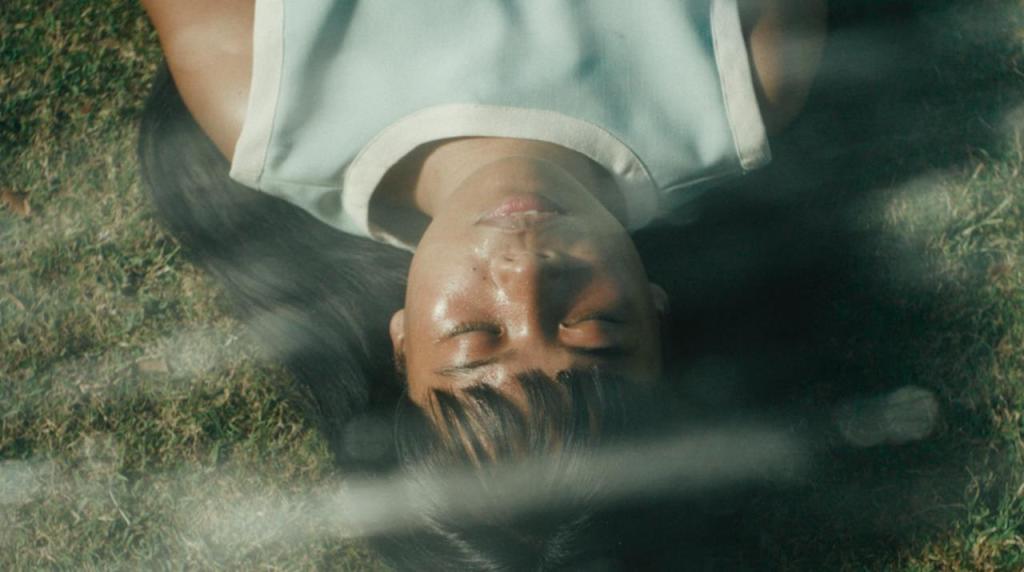
Finally, Perspectives also featured a spectre of Jia Zhangke with Filipiñana, the debut film of his protégé Rafael Manuel. The premise of the film is highly promising. Manuel sets it in the Manila Golf and Country Club, a 74-hectare compound where the mostly middle-aged upper class of Philippine society spend their time, isolated from the country’s socio-political problems. Seventeen-year-old Isabel, from the poor Ilocos region in the northern Philippines, starts working at the club, preparing balls for the golfers. She becomes interested in the club’s president, Dr. Palanca, since he also comes from Ilocos and welcomes Isabel by speaking the regional dialect. However, appearances are deceiving. Filipiñana is neither a romance nor a comprehensive critique of Filipino society. Instead, Manuel focuses on the visual language and aesthetics of the location—its slightly outdated modernist design rendered in pastel colours, rouges, and peaches. He takes pleasure in discovering new camera angles as Isabel wanders through the compound. This emphasis on visual language steers Filipiñana toward clichéd plotlines and easy answers to complex questions. Regardless of its pretence to present a metaphorical portrait of the Philippines, as suggested by the film’s title, Filipiñana ultimately exists for the love of aesthetics as many films do at this year’s Berlinale.
Survival strategy
The awards of the Berlin International Film Festival in 2026 revealed juries eager to tap into the rhetoric of “shared values” and “common interests,” yet their choices felt calculated rather than artistically daring, serving a clear strategic function. The triumph of Yellow Letters foregrounded themes of authoritarianism at a moment when the festival leadership has been subjected to criticism following Wenders statements at the opening press conference. Yellow Letters was shot entirely in Germany, with Berlin standing in for Ankara and Hamburg for Istanbul; its producers insisted this was not due to fear of Turkish authorities but rather an attempt to stress the film’s “universal” themes. The production was made possible by German state arts funding, meaning the budget was spent in Germany, winning the main prize at the key German film festival is another part of the return on investment. Although the filmmaker is of Turkish origin, he grew up in Germany and has argued that shooting the film in Berlin and Hamburg shifted the paradigm of the story from regional to global. But is the German position any less regional than the Turkish one? The gesture appears to marginalise Turkey while simultaneously instrumentalising it: the filmmaker’s Turkish identity becomes a vehicle through which Germany can be addressed obliquely, in ways that might not receive state support if set explicitly in contemporary Germany. Once again, the “other” functions as scapegoat and proxy, allowing domestic demons to be confronted at a safe remove—particularly in a Western media climate that readily pejoratively labels governments in Turkey or Iran as “regimes,” while hesitating to apply the same term to EU member states.
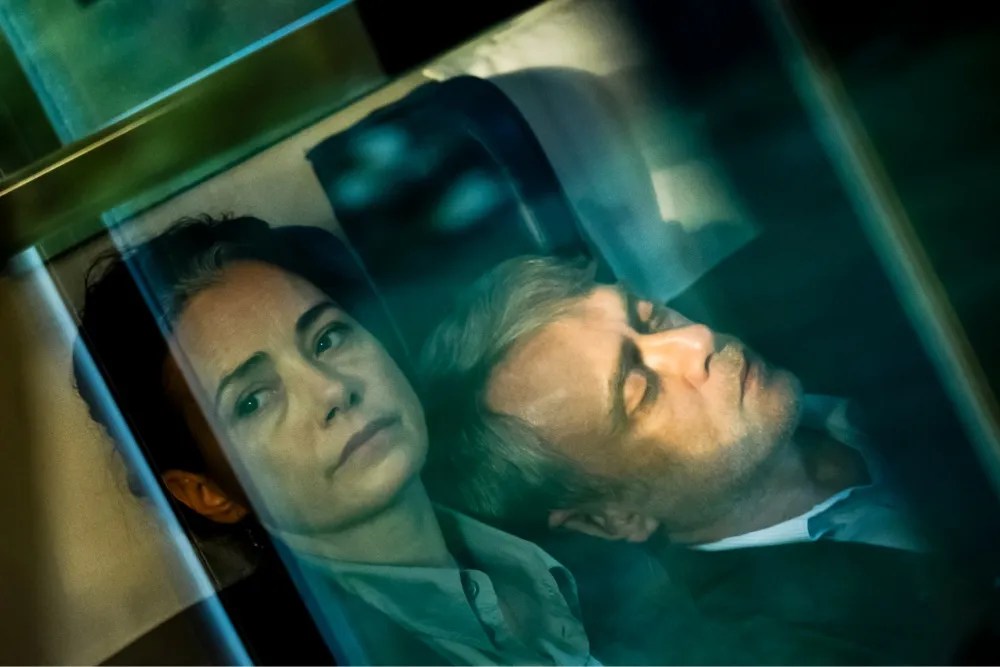
A similar strategic and universalistic tone marked the Best Screenplay award for Nina Roza, accepted by the Canadian filmmaker Geneviève Dulude-De Celles, who framed her immigration drama as an act of resistance to a “very invasive American culture,” invoking a familiar strain of festival anti-Americanism that plays well in Berlin. Altogether, the 2026 awards suggested a festival keen to position itself on the right side of history rhetorically, yet cautious in its artistic risks, balancing political signalling with institutional self-preservation.
The festival organisers and the filmmakers stressed that they were not there to take sides; rather, the festival exists to provide a space for dialogue. This is precisely what the Berlin International Film Festival succeeded in doing this year. However, in light of this year’s programming, many press members and film critics began to question the festival’s relevance and reconsider whether they are willing to invest their own money to come to Germany and cover the festival for their respective media outlets. Hopefully, next year will bring a positive turn.
Maja Korbecka
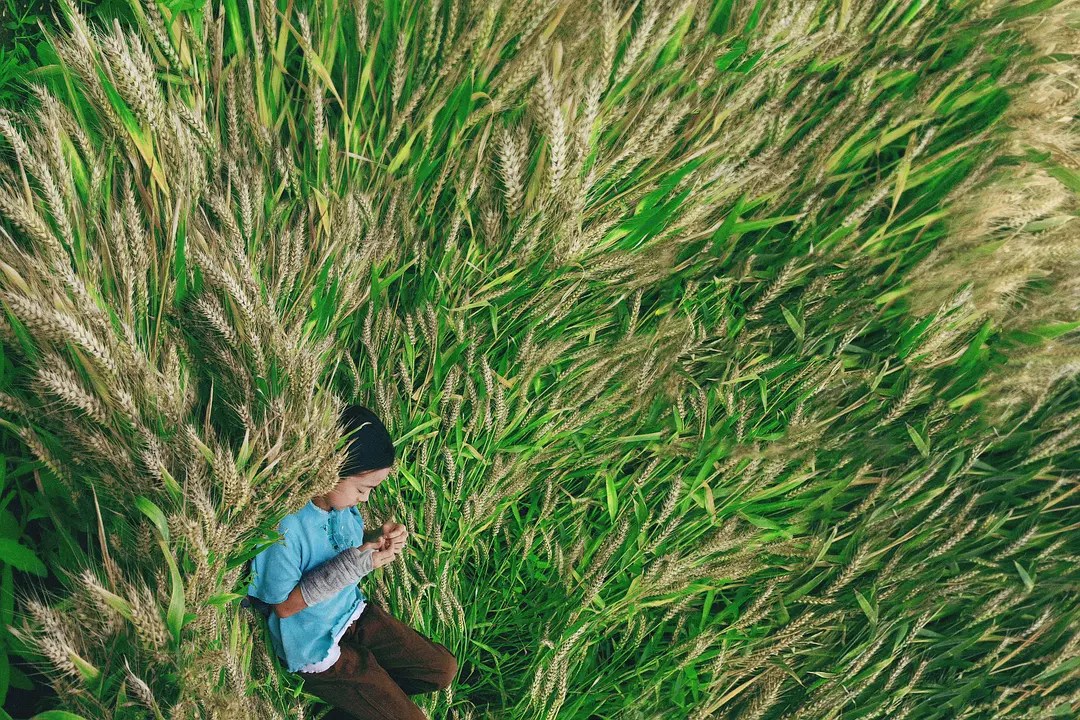
我第一次听说张仲辰,是通过我在电影杂志《大众电影》的编辑。他曾多次向我提起这个名字,称他是近年来最具才华的新晋导演之一。在北京电影学院一带,张仲辰已经几乎成了一种“传奇”。
张仲辰出生并成长于安徽农村。高中毕业后,他在一家空调工厂工作了几年。后来,他来到北京找工作,在北京电影学院找到了一份保安的工作。在那里,他开始悄悄旁听课程,接触艺术电影,并自学怎么用影片剪辑软件。在接下来的几年里,张参与了《妈妈》(”Mama”)和《这个女人》(”This Woman”)等影片的剪辑工作。2021年,他执导了自己的第一部长片《白牛》(”The White Cow”),并在 FIRST 青年电影展上同时获得最佳影片和最佳导演奖。
我们见面时,张仲辰和制片人陈昆阳刚从曼海姆-海德堡国际电影节回来,张的第二部长片《夜间声音》(”Nighttime Sounds”)在该电影节上获得了主竞赛大奖。
采访发生在十一月中旬的北京。张和陈邀请我去他们位于朝阳区白家楼村的工作室——这是社会主义时期建设的社会保障性住房项目中最有意思的一个之一。这个社区由规划整齐的一排排白色单层房屋组成,因为格外安静与开阔,给人一种近乎田园般的感觉。当我在午后阳光下穿过宽阔的巷道,从一条街走到另一条街,经过一排排小家庭住宅时,这种环境与市中心通常的喧嚣拥挤形成了极大的反差,也带来了一种久违的舒缓。由于小区距离市中心较远,采访结束后张很贴心地帮我叫了出租车。几周后整理这次对话时,我对他印象最深的,是他的笑容——平静、安稳,并带着一种安静的满足感。
我们在2025年十一月交谈时,这位导演刚刚结束他的欧洲之行,并对下一部长片有很多计划。然而在2026年五月初,我震惊地得知,这位35岁的导演被诊断出高风险白血病,目前正在住院治疗。他患病的消息迅速在中国电影圈内传播开来。治疗费用极其高昂,而张的家庭——他的妻子和年幼的女儿——正面临严重的经济困难,因此许多人在网上转发了筹款求助信息。希望他能够早日康复。

Maja: 你是怎么开始准备这部电影呢?灵感来源来自哪里?
张忠臣:我们 2021 年拍完第一部电影《告别》之后,就开始想第二部怎么做。其实最初的根源还是关于我妈妈。她一直生活在农村,在土地上劳作。因为第一部电影讲的是农村家庭里的父子关系,以父亲作为主要纽带,所以第二部我想拍一个关于母亲、关于农村女性的故事,用这样一条线去贯穿整个影片。但早期创作的时候,剧本和现在大家看到的电影完全不一样。我们大概写了两三版剧本,风格和类型都不一样。第一稿其实还有一点恐怖片元素。后来不停修改,才慢慢变成现在这个样子。
我当时想做一个既有农村现实主义气质、又带一点魔幻和超现实感的电影。因为小时候在老家,经常能听到很多鬼怪故事、乡野杂谈。我们家在村子里算比较中心的位置,农闲的时候大家会聚在一起聊天。我妈妈很多朋友也是生活在农村的女性,她们会来家里聊天,我就在旁边听,听到很多故事,后来就把这些东西放进了电影里。
Maja: 那有哪些具体的故事被放进电影里了?
张导演:比如片子后面这个女性角色,她和村里的电工之间有一种暧昧关系和情感联系。因为她丈夫长期外出务工,她和女儿留守在家里,但她本身也是有欲望、有情感需求的人。她需要情感的释放和抚慰,而丈夫又像一个“消失的男性”,所以她和村里的另一个男人产生了情感纠葛。农村里其实确实会有这样的情况。还有爷爷这个角色,大概有一半来自我自己的爷爷。虽然我爷爷已经去世了,但小时候他对我妈妈就有一种控制感。他像是主导整个家族事务的人,对女性也有一种传统父权式的压迫。所以电影里的很多人物,其实都来自我身边的人,以及我听到的那些故事。
Maja: 我觉得很有趣的一点是,这部电影是从一个小女孩的视角展开的。她观察自己的母亲,那种复杂的情感特别有意思,尤其是关于母亲情感生活的部分。我也很好奇,你是怎么和小演员合作的?他们的表演都非常好。
张导演:其实在拍第二部长片之前,我们正好有一个机会,用手机拍了一个短片,也算是一次尝试。那个短片同样是儿童视角。我以前特别喜欢看儿童题材的电影,像《童年往事》这种,都是通过小孩的视角进入世界。所以后来也想拍一个这样的故事。和小演员合作其实还好,可能也是我们运气比较好。包括陈哈琳和顾翰如,他们虽然一个是职业演员,一个是素人,但在现场都不需要太多反复磨练。我们更多是在正式开机前做一些试拍。
比如毛琴这个角色,在确定她之前,我们让她在麦田里排练过一场戏。我把素材剪出来之后,觉得她特别适合,于是就让她进组了。其实当你觉得这个演员和角色是契合的时候,现场反而不需要太多调整。因为我们是手持跟拍,整个拍摄状态比较自由,所以更多是顺着他们自己的感觉来。每场戏、每个镜头,只需要给他们一个大概方向,比如从哪走到哪、走快还是走慢,剩下的基本就顺着他们自己的状态。
不要给小孩太多压力,也不要太多条条框框。不是那种“一二三”式的表演训练。你只需要给他一个从零到一的方向,然后按照他们本人的性格和感觉去发挥就行。另一个小孩,他之前几乎没怎么演过戏。陈哈琳演过不少戏,但白孩特别“野”,一种很天然的状态。有时候他在现场突然就不想演了,那那天就不拍他,等他想演的时候再演。而且他和毛琴现实里关系特别好。有时候他看到毛琴某场戏演得特别好,就会说“我也要试试”,会有一种小孩之间较劲的感觉。文文则完全是素人,是在村子里找到的小女孩。她没演过戏,但我们捕捉到了很多特别有趣的瞬间,比如她哭、抢菜、生气,都特别真实、特别可爱。
Maja: 另外两个小演员是本地人吗?
张导演:不是,都不是本地人。
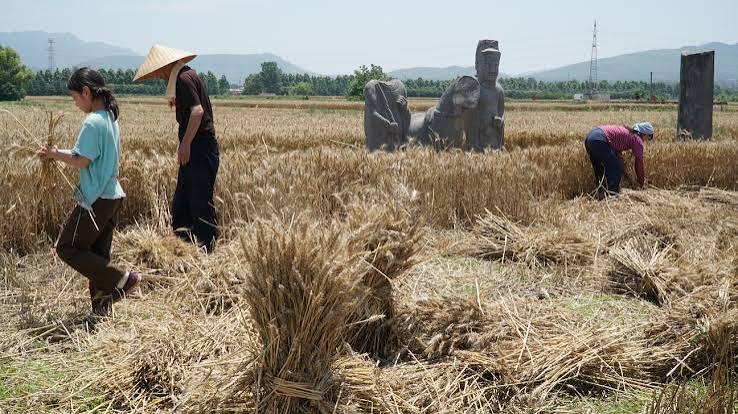
Maja: 你之前提到,最后选择在河南拍摄,是因为找到了那些石像。为什么这些石像会对电影这么重要?
张导演:那些石像最开始是在社交网络上看到的。有一些国内外摄影师拍过很多石像的照片,但当时我并不知道它们在哪里。后来我们在创作剧本的时候,就想把这些东西放进去。之后开始实地勘景,我们先查到国内比较多唐代石像的地方是在陕西、西安附近,于是开车过去看。但到了之后发现,那些石像已经被栏杆围起来,也装了监控。摄影师最早拍的时候还不是这样,但现在味道完全变了。后来我们摄影师在网上发了一些河南的照片,我们就过去看了一次。结果发现那个地方特别符合电影的“在地性”。石像和麦田、土地是融合在一起的,没有被围起来,也没有太多人工管理,特别“野”,像是从土地里长出来的一样。所以最后决定在河南拍。
Maja: 这其实很有意思,因为陕西和河南本身就是中国历史文化里两个非常重要的地方。你为什么会觉得这些石像是必要的?
张导演:因为如果没有这些石像,这部电影会更像一个家庭伦理剧。比如红梅和两个女儿的关系、她和爷爷的对峙、她和电工之间的暧昧,还有白孩那条比较超现实的线——这些原本是并行的。但如果没有石像,我总觉得电影最后会少一点东西。石像的存在,让电影有了一种更延展的时间感。它把过去、现在和未来连接在一起。它像一个更高维度的视角,在观看土地和人的变化。如果没有这些石像,电影可能就只是一个关于家庭纠葛的故事。但石像本身像麦田里的守望者一样。我们后来在德国放映的时候,观众虽然不知道这些石像是什么年代、具体有什么历史,但他们依然能感受到一种“全知视角”——好像这些石像一直在那里,看着土地和人的变化。
Maja: 而且我想到,其实随着朝代变化,女性的位置也一直在改变。
张导演:对,我们当时也查了一些资料。我们拍到的石像里,有一些其实是皇后的陵墓石像,不只是皇帝的。很多石像都混杂在一起,到处都是。而且我们拍的时候,当地其实还在考古、还在开挖。
Maja: 那你觉得未来这些石像也会被围起来吗?
张导演:理论上应该会被保护起来,但保护需要大量经费和管理。当地旅游业不像西安那么发达,财政条件有限。西安那边有完整的文物保护和旅游体系,但这个地方就在村子里,而且面积很大,所以现在还比较自然。
Maja: 我也想聊聊你自己的观影经验。有没有哪些导演或者电影对你的创作影响特别大?
张导演:其实不同阶段会不一样。刚进电影学院的时候,包括拍第一部电影的时候,我受到很多电影学院时期观影经验的影响。比如侯孝贤这些华语导演,他们影响我的更多是一种创作观念:你可以去拍身边熟悉的人,把他们作为电影主角。还有西奥·安哲罗普洛斯(Theo Angelopoulos),他那种美学气质对我影响也很大。还有西班牙导演维克多·艾里斯(Víctor Erice),《蜂巢幽灵》的导演。再后来像哈内克(Haneke),我很喜欢他那种特别冷静的观看方式。不过我也觉得他太冷峻、太残酷了,甚至有点吓人。他像一种完全没有感情、近乎非人类的凝视。但我特别喜欢他的节奏感。其实他的情节很弱,可是每场戏、每个表演节奏都控制得特别精准。《第七大陆》《冰川三部曲》这些早期作品对我影响都很大。还有努里·比格·锡兰(Nuri Bilge Ceylan)。其实最影响我的还是他早期的作品,比如《小镇》《三只猴子》。虽然他们拍的是离我很远的地方,但我会觉得特别熟悉。
不过到了第二部电影的时候,我开始有意识地把这些影响往外“扔”一些。第一部的时候,美学上的影响会更明显,因为你必然会受到电影教育和经典作者的熏陶。但第二部我更想回到土地本身、回到人物关系本身。第一部有点“用劲过猛”,第二部则更放松。再加上它是孩童视角,所以更纯粹。没有那么强的“电影学院感”。不会刻意去“凹造型”。第一部里有些镜头,现在回头看会觉得太摆了。当然像安哲罗普洛斯,他也是“摆”,但他能摆出一种统一性的美感。
Maja: 其实我自己也一直在想这种“电影教育的负担”。尤其是研究电影的人,会被电影史传统影响得很深。但另一方面,我也一直在想,为什么中国电影总会有一种“一代一代导演”的说法。那其实是影评人塑造出来的概念。但我也觉得,80后出生的中国导演确实有一些共同经验,比如独生子女政策。我看你的电影时,也会想到为什么这个母亲最后把另一个女孩送走。我不知道你有没有想在电影里讨论计划生育。
张导演:其实第一部电影里,我特别想讨论计划生育和独生子女政策对农村家庭的影响。但第二部没有想那么多。红梅送走女儿,在这里更多是一种情感被剥夺后的状态,而不完全是政策问题。因为在中国农村,把孩子送给别人养,原因有很多。可能是想生男孩,也可能是对方家庭无法生育,还有经济原因——家庭条件不好,养不起两个孩子。所以第二部并没有特别往那个方向展开。如果真的想重点讨论计划生育,那这部电影就不会这么拍,因为它里面有太多支线和人物关系了。
Maja: 这部电影其实让我想到谢飞导演一些关于女性的作品。
张导演:对,我们很早也看过。不过有件事挺有意思。当时有个演员看完剧本后,说特别像一部老电影《城南旧事》。我后来才去看。我们原本完全没想到,但看完之后发现,某些人物关系和线索确实有点像。《城南旧事》也是小孩视角。里面有个小女孩和“疯女人”之间的关系。后来给一个小演员递剧本时,她妈妈说:“这个特别像《城南旧事》。”我当时还不信,后来去对照了一下,确实有一些相似之处。但我们在写剧本的时候,真的没有参考那部电影。
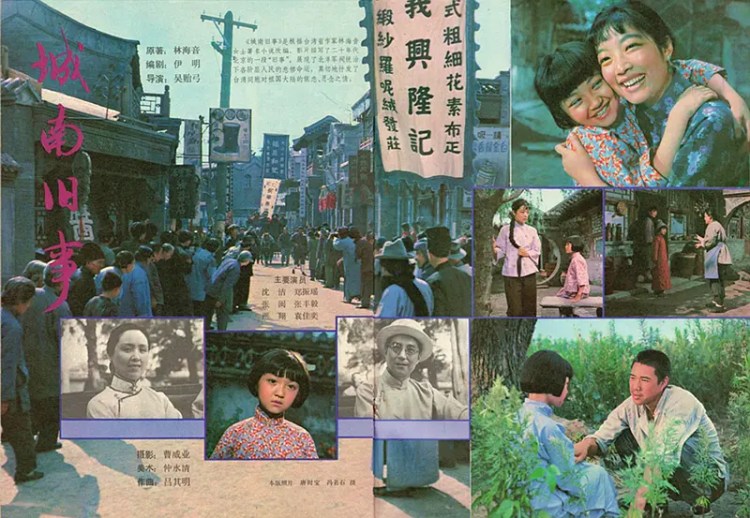
Maja: 这也很有趣,因为《城南旧事》本身在海外电影节也很成功,一部分也是因为吴贻弓导演在国内电影界的位置很高,那时候担任上海电影制片厂厂长。那你现在在准备新的电影吗?
张导演:有一个新项目,剧本已经写了很久了。是和中国作家郑执一起合作的,他主写。我们想拍一部关于“杀马特”群体的青春片。我不知道你熟不熟悉,2005 年到 2010 年左右,中国有一个群体叫“杀马特”。他们很多来自农村,很早就辍学,然后进入城市工厂打工。我们想拍他们在工厂里的生活、恋爱和情感状态。这个项目现在还在推进。因为时间跨度比较大,从 2008 年到 2015 年,而且是群像式结构,所以制作会比较复杂。
Maja: 最后,你还有什么特别想聊的吗?
张导演:电影现在还没公映,很多观众还没看到。我想说的东西,其实都已经拍进电影里了。可能有些观众会觉得电影有点模糊,但我自己觉得,作者电影的魅力很多时候就在这种模糊感和边界感里。问题是,你怎么控制这种边界,怎么把信息传达给观众。有时候观众会觉得你太模糊,有时候又会觉得你给得太多、太直白。这个东西特别难拿捏,尤其是在国内放映的时候。我自己也一直在调整:到底该给多少信息、怎么给。其实相比第一部,我觉得第二部已经给得更多了。但喜欢我第一部的观众,又会觉得第二部给太多了。永远都会是这样。
Maja: 但我觉得也没必要完全照顾所有观众。一部电影如果能给观众一种感觉,其实就已经足够了,不一定所有东西都需要被完全理解。你第一部电影上映了吗?
张导演:上映了。去年这个时候小范围上映的。因为没有太多宣发资源,所以只是简单上映了一下,后来卖给了一些流媒体平台。第二部就希望如果顺利的话,明年也能上映
Maja: 你们在曼海姆—海德堡电影节的经验怎么样?
陈坤阳:我们俩一起去的曼海姆—海德堡电影节,当时去了之后,整体体验真的特别好。因为它规模不大,没有特别多乱七八糟的单元,主要就是围绕我们所在的竞赛单元,再加上一些小规模展映。它有一个安排我印象特别深。电影节期间,每天中午组委会都会安排一顿午餐,把所有入围导演聚在一起。我们那届大概有16部片子,大家就在同一张长桌上吃饭交流。而且每天去的餐厅都不一样,有时候是日料,有时候是意大利餐、西餐之类的。它会让你一直对“今天吃什么”保持一种好奇感(笑)。最重要的是,这种交流方式特别轻松。16个项目组的人随便坐、随便聊,它不是一种特别强迫性的社交,不会让你觉得一定要 networking。你想聊就聊,不想聊也没关系,所以大家完全没有压力。这个体验和很多电影节都不一样。也恰恰因为它规模小,主办方、主席、工作人员都会一起吃饭、一起交流,整个氛围特别自然。然后我们在那边两天有三场映后。一般电影节可能只有一场映后,但我们有三场,而且每场时间都很长,将近一个小时。所以你能吸收到特别多观众反馈。不管是影迷还是专业人士,他们年龄层也完全不一样。有很年长的观众,也有年轻人、留学生、学电影的人,他们给出的反馈都很不一样。你会感觉自己是在真正和观众建立连接,而不是走一种空泛的流程。那个交流方式很简单,但特别有效。而且因为我们英语不是特别好,电影节还专门给我们配了翻译,全程帮忙。整个组织都特别顺畅。
虽然电影节是在曼海姆和海德堡两个城市同时举办,但每天的安排、接送、工作人员协调都做得特别好。整个过程很简单,没有太复杂的事情,大家就是围绕电影本身交流,没有那种“大而空”的感觉。观众给到的很多视角,其实也是我们之前完全没想到的。比如有一场在曼海姆放映结束后,一对夫妇提到关于“大地”的问题。他们觉得电影里的土地是一种“阴性”的表达。我们之前其实从来没往这个方向想过。因为在德语里面,很多词会区分阴性和阳性。包括“土地”这个词,本身就带有一种女性属性。
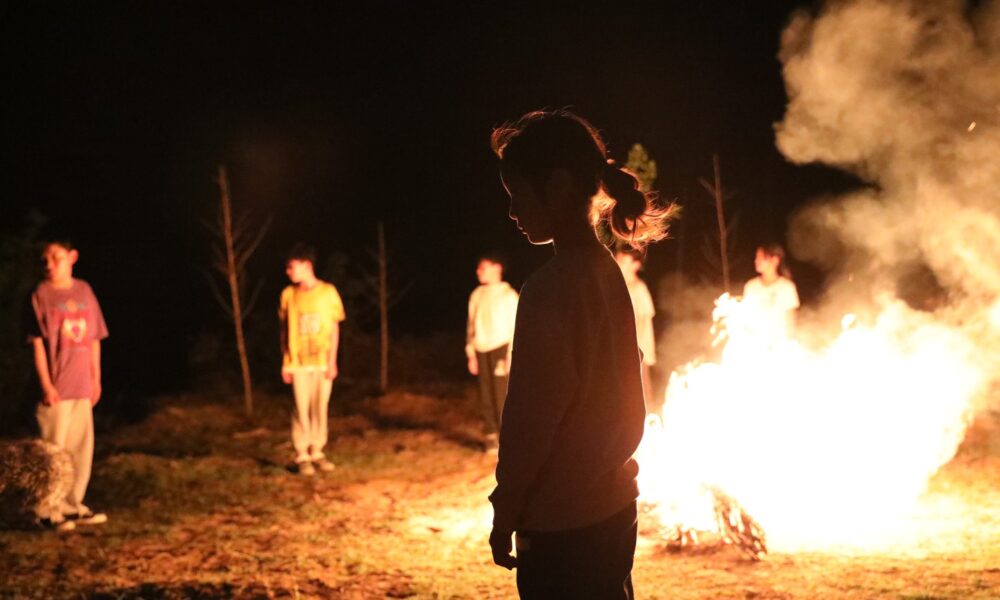
Maja: 其实波兰语里也会说“父亲的土地”(ojczyzna)这种说法。
陈坤阳:对,但在他们的理解里,土地本身更偏向女性性的概念。所以他们会从这个角度来理解电影。这是我们之前从来没有收到过的反馈,对我们来说特别有收获。因为这是一个完全不同文化语境里的观看方式。国内电影圈其实彼此太熟悉了,大家的很多理解会比较接近。
还有一个观众,是一位年纪比较大的老人。映后结束后,因为已经没有继续交流的时间了,他走到门口的时候突然回头对我们说:“你知道吗?我已经六十年没有听到你们电影里的那首《红河谷》了。”他说,六十年之后,他竟然在一部中国农村电影里重新听到了自己故乡的一首歌。因为《红河谷》其实是一首加拿大民歌。
Maja: 真的吗?
陈坤阳:《红河谷》它本来是一首关于故乡的歌曲。后来很早就传到中国,慢慢有了中文版,但旋律一直没变。那个观众应该是加拿大人。他特别震惊,为什么一部中国农村电影里会出现这首歌。他当时都起鸡皮疙瘩了。
其实我们为了选这首歌,也花了很长时间。之前试过很多歌,有些是版权问题,有些则是和电影内容不够贴合。综合下来,《红河谷》和电影的结合度最高。另外,它年代很久,所以版权相对公开一些。没想到在西方观众那里,他们对这首歌的印象会这么深。国内其实几乎没人聊这首歌,也很少有人讨论音乐,但在德国,基本每场映后都会有人提到它。
Maja: 所以《红河谷》是在1949年建国之后流行起来的吗?
张导演:其实更早,在解放战争时期就已经开始流传了。最开始它是国外士兵之间流传的一种思乡歌曲。原版歌词其实就是“我离开了故乡,我怀念它”这样的主题。后来被很多国家翻译成不同版本。我觉得可能波兰语里也会有类似版本,只是旋律你没有意识到。
Maja: 我之前完全没听过这首歌。可能因为我在德国生活的时候,也意识到德国文化里有很多北美影响,但波兰其实完全不一样。波兰更多是苏联影响。德国确实很不一样。不过另外我也想问,为什么英文和中文片名那么不一样呢?
张导演:英文名其实更像一种氛围。是一种夜晚的声音,一种未知、神秘的声音。包括电影开场时,那种压抑的、低声的儿童呢喃,还有那个“疯女人”晚上总觉得头顶有人走路的声音、土地裂开的声音……我们一直想用一种“声音感”去连接整部电影。
Maja:其实那个“头顶有人走路”的意象,会让我想到女性在社会里经常面临的一种压迫感。比如所谓的“玻璃天花板”。英文名呢?
张导演:英文片名其实也是因为我们请教了字幕翻译老师。她会建议什么样的表达更适合英语语境、更容易发音,所以最后才定了现在这个名字。
Maja: 因为中文片名确实不太容易记。
张导演:对,而且中文片名本身也比较长,它其实来自片中那首歌的一句歌词。但西方观众并不知道那句歌词的含义,所以英文名最后还是保留了一种氛围性的表达。
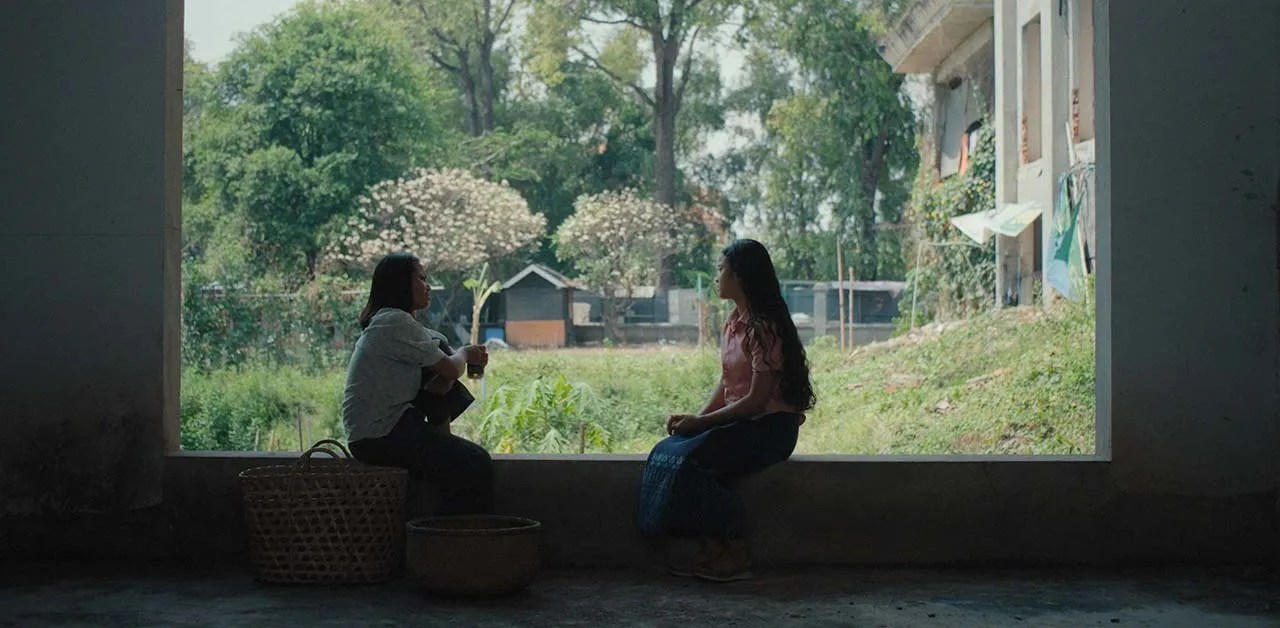
Becoming Human (ជាតិជាមនុស្សា), the feature-length debut of Cambodian filmmaker Polen Ly, tries to imagine the experience of a ghost spirit unwilling to part with this world and undergo reincarnation once again. In the film, the trauma of the Cambodian genocide lingers in the landscape, pinning spirits and people to the ground and forcing them into hiding, while urban redevelopment, modernisation, and contemporary Cambodian politics push people out of their havens in search of other secluded places. Becoming Human asks what it means to be human. Is it free will? Is it doubt? A resistance to what society tells us we are supposed to do?
Completed as part of the Biennale College Cinema 2024 programme, which provided a €200,000 production grant, the film premiered at the 82nd Venice International Film Festival and was selected as the opening film of this year’s CinemAsia Film Festival in Amsterdam. I sat down with Polem Ly at the Eye Filmmuseum café on a sunny afternoon to talk about his experience as a self-taught filmmaker, the making of Becoming Human, and being part of Cambodia’s independent filmmaking community.
Maja: Yesterday you mentioned that it’s not your first time in Amsterdam. You’ve been to IDFA before.
Polen: I’ve been to IDFA, and last year I came for an artist event organized by the Prince Claus Fund. I got one of the fellowship awards, so artists from the Global South gathered together. I think Amsterdam has already become like a family place for me. I also have friends here now, so it was nice to be back. And of course there are the museums. I remember the first time I came here I discovered so many things.
Maja: It seems you have a destiny with this city.
Polen: Sometimes people have a destiny with a certain place and time. I feel that way here. In Cambodia, the culture of going to cinemas, museums, or galleries is still very small. We don’t really have galleries—only a few independent spaces. So for me, being able to come here and watch so many things, see so many things, it’s very inspiring. I remember the first time I came here I went to the Eye Filmmuseum and saw an exhibition by Werner Herzog. Then I went to The Hague to visit another museum. It’s a wonderful place for artists.
Maja: Maybe people here don’t always appreciate it because they’re used to it.
Polen: Maybe. When you live with something for so long, perhaps you stop seeing it.
Maja: I was looking through some of your previous interviews, and I couldn’t really find much about how you got into filmmaking. I know you’re self-taught. How did it start?
Polen: It’s actually a funny story. After high school I became a medical student because my parents always wanted me to become a doctor. At that time, in order to study medicine, I first had to study French. At the French Institute there was a multimedia library where you could watch a lot of films.
That’s where everything changed. I watched many independent films from Europe and Asia, and I slowly fell in love with cinema. Before that I had mostly watched soap operas on television. Suddenly I was discovering all these different forms of storytelling.
One day I took a small digital pocket camera and just started filming things. I edited them together and uploaded them to YouTube. Later, some NGOs asked me to make documentaries or short films for them. I learned by watching films and by making them. Of course I made millions of mistakes, but I also learned from those mistakes.
When you keep making films, you develop a space where you can reflect on your own work—what’s good, what isn’t. Little by little I discovered myself as a filmmaker. But even now, when I look back at my first short film, I still feel the same core that existed there from the beginning.
Maja: What would you say that core is? What themes are you most drawn to?
Polen: I think I’m very interested in the feeling of losing something—or longing for something that no longer exists. My first short film was about a girl searching for her lost dog. My previous short film was about a girl who lost her home because of a flood. And Becoming Human is about a spirit who loses her cinema because of urban development, but before she dies she loses home because of war.
I think I’m always drawn to this longing for something that has disappeared. At some point I realized this might also come from my own life. When I was growing up, my family lost our house because of a highway project. That house doesn’t exist anymore. When I wrote Becoming Human, especially the scene where Thida comes back and touches the grass, it became almost like self-therapy for me.
I still remember my old house very vividly—the kitchen, the food we ate there, the memories with my family. Now all of that is buried beneath a highway. I think this feeling of longing was always inside me without me realizing it. A kind of subconscious trauma that keeps haunting me, and maybe I express it through filmmaking.
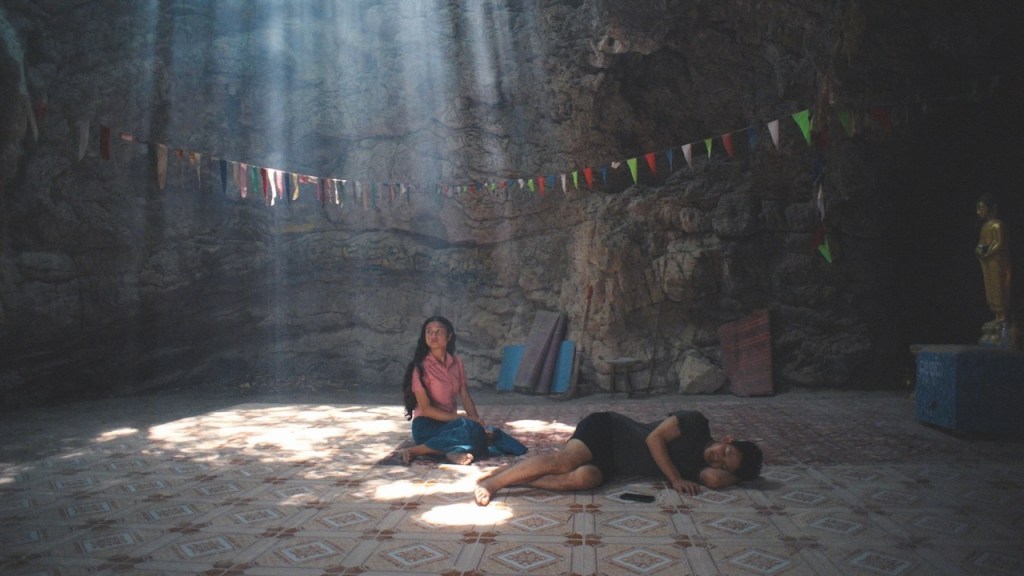
Maja: The scene where Thida touches the ground is also connected to the tree later on. There’s this recurring image of trees in your films. What do trees symbolize for you?
Polen: My previous short film also had a girl climbing a tree. I grew up in the countryside, so my childhood memories are full of climbing trees—or falling from trees and getting scolded by my mother afterwards. For many Cambodian children from the countryside, climbing trees is a very common memory.
In my films, I think trees become a way for characters to reconnect with memory and heal. In Becoming Human, Thida says earlier in the film that the last time her family was together before the war, she was sitting at the top of that tree. So climbing the tree again becomes a way of accepting both the pain and the beauty of the past.
When we worked on the music for that scene, my composer kept asking me what kind of feeling I wanted. I told him I wanted something like a mother’s lullaby. The scene is not meant to feel tragic or full of suffering—it’s more melancholic, calming, like soothing a crying child. So when she climbs the tree and the music begins, it’s almost like someone telling her: “It’s okay now.”
Maja: So the tree becomes almost like a cradle—or a mother or grandmother singing.
Polen: Yes. During the writing process, I was actually worried that the scene wouldn’t be understandable enough. But during editing and sound design, I realized I wanted it to remain more open, so audiences could connect with it through their own experiences.
That’s why the scene is so simple. She comes back, she gets emotional, she touches the grass, she climbs the tree. There’s no explanation, no voice-over. Different people can interpret the tree in different ways.
Maja: When I watched the film, I kept thinking about the question the title raises: what does it mean to become human?
Polen: I think the question of what it means to be human is universal, but it changes depending on political and cultural contexts. When I started writing, I already knew the film would be called Becoming Human because it’s about a spirit who later becomes human. But for me, the title also came from questioning my own existence in Cambodia.
Cambodia has a landscape filled with repeated trauma. There is the trauma my parents experienced during the genocide, and then later generations inherit different forms of trauma too. As an artist and filmmaker, I’ve experienced threats and pressure from the government not to talk about certain things. When you live under those conditions, you swallow the trauma inside yourself. I feel like many layers of trauma overlap with each other.
So I kept asking myself: what does it mean to live as a human being in this kind of landscape? You cannot return to the past, and the future feels uncertain. The present can feel like a closed box. Cinema became a space where I could express those emotions. I believe deeply in the resilience of human beings, especially artists who continue to create under difficult conditions.
For me, cinema itself is a form of resistance. It carries voices from one place to another. And resilience—that ability to continue despite everything—is also part of being human. When you look at the world today, with war and violence everywhere, resilience becomes a way for us to keep searching for how to live together.
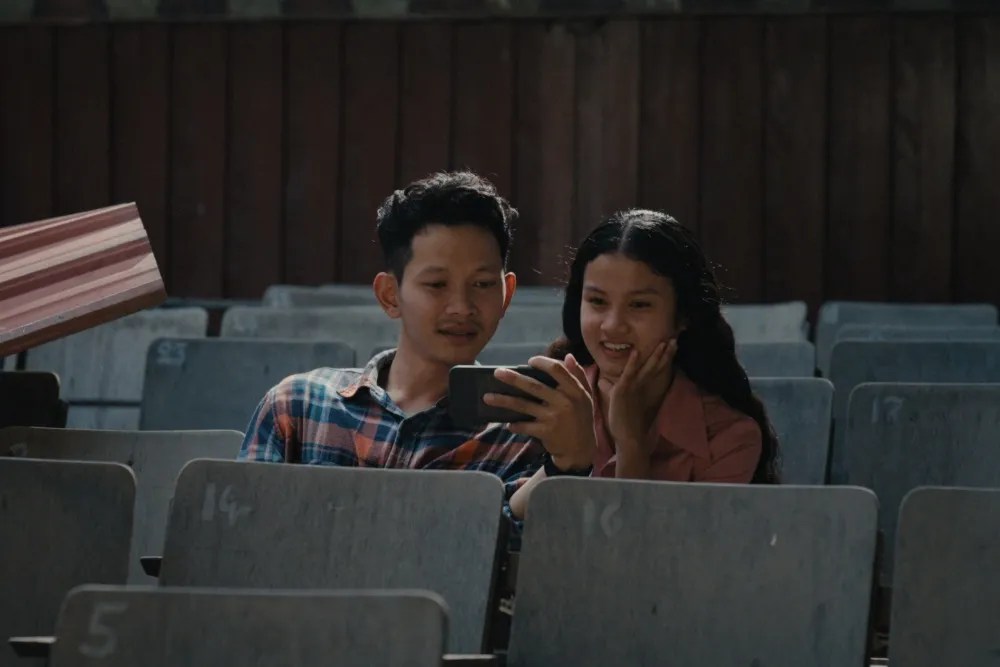
Maja: In the film, cinema is both a form of resistance and a place of escape. I also loved the fact that the characters watch films on a phone inside this abandoned cinema. It still feels like cinema.
Polen: Yes. I understand why people defend the big-screen experience, because cinema is also about being together with other people and sharing emotions. Last night, for example, watching a film with a large audience was a very powerful experience.
But in Cambodia, many people only have smartphones. Sometimes there are no cinemas nearby, so the phone becomes the way stories reach people. For me, what matters is receiving the story. I actually discovered many films through pirated DVDs. When I was in Phnom Penh, I found this place selling pirated discs, and it felt like heaven—almost like discovering the Criterion Collection. There were so many films I had never seen before. I could rent them and watch them on my computer. Without those DVDs and without a computer, I probably would never have discovered world cinema. In Cambodia, commercial cinemas mostly show blockbusters or horror films. Those pirate DVD stores became another kind of film school for many of us.
Maja: I also wanted to ask about Thida’s costume. Was it inspired by something specific?
Polen: Yes. Because Thida is the guardian spirit of the cinema, many Cambodians might expect her to wear a traditional costume associated with angels or spirits. But my producer Daniel showed me photographs from refugee camps after the Cambodian genocide. Many people fled across the border to Thailand and waited in camps before emigrating to places like France, the Netherlands, or Germany. In one of the photographs, there was a woman with long hair wearing clothes very similar to Thida’s costume. I immediately felt it was perfect. Since Thida’s story also involves crossing the border and stepping on a landmine, the costume connects her to the memories of refugees from that time. In a way, it became a tribute to that woman in the photograph.
Maja: The underworld in the film is also fascinating because it feels bureaucratic rather than mystical.
Polen: That was intentional. I didn’t want the underworld to feel like fantasy. In Cambodia we do have beliefs about heaven, hell, and rebirth, but I wanted the underworld in the film to resemble the bureaucracy people experience in everyday life. There’s corruption, favoritism, little abuses of power. You can see it in how the agency worker treats Thida differently from other people, or how she speaks to her assistant.I wanted it to subtly mirror Cambodian social structures. It was also a way of making fun of bureaucracy. At the same time, I’ve always been fascinated by questions surrounding rebirth. When I was a child, older people always told me that after death, souls are reborn. But I kept wondering: what happens in between? Who organizes it? Where do souls wait? Those questions stayed with me.

Maja: IMDb labels the film as fantasy, but stylistically it feels much more realist.
Polen: I don’t really see it as a fantasy film either. It’s a human film. The main character just happens to be a spirit. Even Thida doesn’t have special powers or visual effects. She’s simply there—a presence.
Maja: There is only one scene in which Thida does a trick to prove she is a ghost. It felt very much like it was taken from a George Méliès’ film. Becoming Human is very much connected to the history of cinema itself.
Polen: Yes. It’s also about losing cinema itself—not cinema as an art form, but cinema as a physical place. In Cambodia, most old cinemas disappeared after the war. Films moved into shopping mall multiplexes. The cinema we used in the film is in Battambang province. It still exists, but it’s abandoned. I think there’s now a disconnection between younger generations and those older cinemas.
Maja: I’m also curious about Anti-Archive and the filmmaking community around it.
Polen: Anti-Archive was founded by Davy Chou after he came to Cambodia and gathered young people who were curious about cinema. He organized cine-clubs where people could watch films together and discuss them. For me, it became a way to meet others who were passionate about cinema. Anti-Archive also started producing films by young Cambodian filmmakers like Kavich Neang. What was exciting was that these films felt very different from mainstream Cambodian cinema, which often focuses on horror or romantic stories. These filmmakers were talking about contemporary Cambodia—about the present. When I began working with Anti-Archive, first on my short films and later on Becoming Human, I felt part of a generation trying to question things: our history, our uncertain future, and the conditions of the present. I think it’s important for my generation to keep asking questions.
Maja: Cinema itself becomes a form of questioning.
Polen: Exactly. If you look throughout film history, filmmakers have always questioned the realities of their own time. Even directors I love, like Krzysztof Kieślowski, were deeply questioning their era through cinema. That’s what cinema does—it keeps asking questions about the present, the future, and the world around us.
Maja: Maybe that’s what keeps us hooked: the desire to wonder.
Polen: Yes. Sometimes it’s good to wonder. Otherwise, we would simply accept everything we’re told.

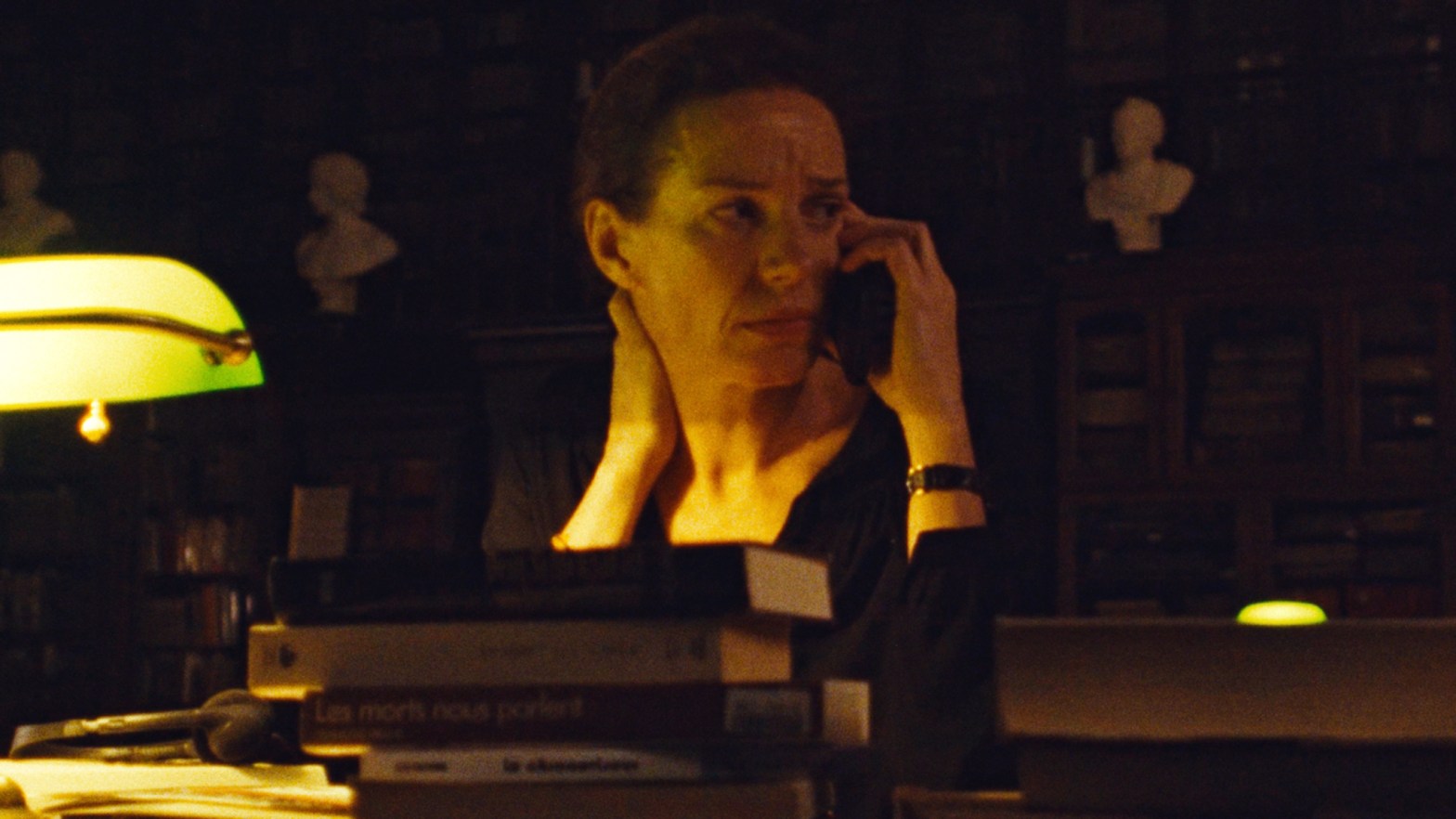
In Chronovisor, writer-directors Jack Auen and Kevin Walker achieve something often considered impossible: they create a captivating audiovisual narrative based largely on written sources. Rather than merely illustrating archival documents, they invite the audience to read them alongside the protagonist, transforming the act of research into cinematic experience. As we follow the gradual accumulation of evidence, we also witness a process in which scholarly inquiry slowly turns into obsession and, ultimately, becoming one with the research topic.

The film follows Béatrice Courte, a researcher specialising in philosophy and neuroscience. During her research, Courte stumbles upon a reference to the Chronovisor—a device allegedly invented by the Italian Catholic Benedictine priest, musicologist, and physicist Pellegrino Ernetti, who claimed that the machine allowed its users to observe past events, including the Crucifixion of Jesus Christ and a speech by Cicero. What begins as a footnote gradually becomes an obsession as Courte devotes herself to uncovering the truth behind Ernetti’s extraordinary claims, descending ever deeper into the solitary world of archival research.
Interestingly, Auen and Walker originally intended to make a documentary about Pellegrino Ernetti and the Chronovisor. Instead, they shifted towards fiction, centring the film not on Ernetti himself but on the experience of conducting research. This decision proves remarkably effective. By casting Anne Laure Sellier, the Cartier Chaired Professor of Behavioral Sciences at HEC Paris, in the lead role, they blur the line between reality and fiction. Sellier brings to the performance an unmistakable familiarity with academic life: the endless hours spent in libraries and archives, the constant exchanges of emails, phone calls, and letters, and the painstaking process of gathering fragments of evidence in pursuit of a single research question.
Auen and Walker understand that if they want audiences to read alongside Courte, they first have to make them care—not only about Ernetti’s story but also about hers. The mystery itself is therefore only one layer of the film. More importantly, Chronovisor becomes a film about the process of trying to gain knowledge: assembling scattered clues and experiencing the slow transformation that research can bring. Genuine research is never simply the accumulation of facts. It alters one’s consciousness, gradually reshaping previously held assumptions and beliefs about the world.
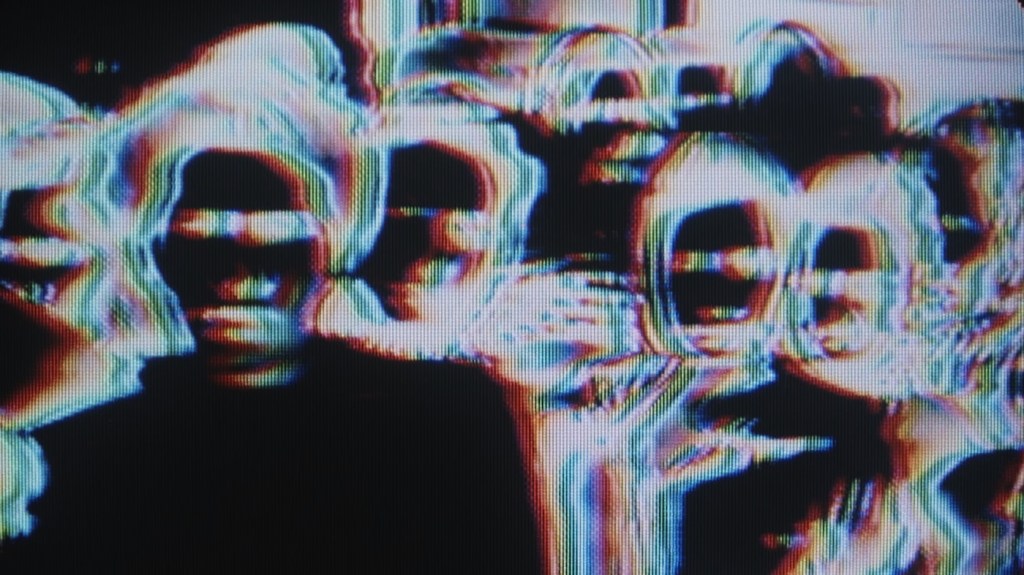
This transformation is beautifully captured by comparing the film’s opening and closing scenes. In the opening sequence, Courte is having dinner with colleagues from her university department. The conversation revolves around the routines of academic life until she begins discussing her research on philosophy and neuroscience. Almost imperceptibly, her thoughts drift further and further into theoretical speculation, signalling the beginning of an intellectual journey that will consume her. By the film’s final scene, it is difficult to say exactly what has happened. Courte seems to have become inseparable from the medium she has been investigating, completely absorbed into the world the Chronovisor promised to reveal.
Anyone who has spent days buried in archives because of a footnote, or who has become consumed by a research question that appears insignificant to everyone else, will likely find Chronovisor profoundly cathartic. It captures with remarkable precision the peculiar excitement of seeing a book and immediately thinking that it could contain answers to long-lost mysteries. Perhaps this is why Chronovisor feels so immediately recognisable to anyone who has conducted archival research. The academic gradually becomes a detective, pursuing a question that refuses to leave them. The object of investigation need not be as extraordinary as a machine capable of observing the past. More often, groundbreaking research begins by questioning something that is taken for granted. In Courte’s case, the Chronovisor promises direct access to history itself. The true subject of the film, however, is not the device but the assumptions underlying historical knowledge: the narratives of the past that have become accepted precisely because they are no longer questioned.
One of the film’s greatest achievements is the way it dramatizes written text. Rather than treating documents as static objects, Auen and Walker transform reading itself into cinematic action. Protagonist highlights passages, compares multiple sources, and translates fragments from different languages instead of relying on conventional subtitles. This strategy does more than visualise research. It reflects the profound influence that digital technologies and smartphone apps like Google Translate have on the way we operate in the world and process information. We are not locked inside of the circulation of information in our native languages or in English as the invisible international standard. Chronovisor presents knowledge circulating across multiple languages and perspectives.
Shot on warm, low-lit Super 16mm by cinematographer Leo Zhang, Chronovisor possesses a tactile visual texture that perfectly complements its themes. The pronounced film grain, composition of shots, and atmosphere of intellectual paranoia made me think about the work of David Cronenberg since like many of Cronenberg’s films, Chronovisor explores how technologies reshape human consciousness, although here the body horror is replaced by epistemological horror—the unsettling possibility that knowledge itself may fundamentally alter the person who seeks it.

Throughout the film, traditional cinematic language is constantly interwoven with different media, research methodologies, and textual practices. In doing so, Chronovisor becomes not simply a film about a mysterious invention, but one of the most convincing cinematic representations of what research actually feels like: obsessive, lonely, exhilarating as much as transgressive.
*”Chronovisor” (dir. Jack Auen and Kevin Walker) premiered at the 2026 International Film Festival Rotterdam.

Although set in the near future, Charlotte Zhang’s Tycoon is less interested in imagining what lies ahead than in excavating the unresolved histories that continue to shape the present. The film is caught in a time warp, exemplifying how, with the evolution of audiovisual media, the past and the future increasingly coexist in the present.
Tycoon takes place shortly before the 2028 Summer Olympics in Los Angeles. The city is suffocating under extreme heat while multiple plagues spread across its neighbourhoods. A livestock virus has rendered meat and poultry inedible, while a cockroach infestation continues to grow. Against this backdrop, two young men, Lito and Jay (Miguel Padilla-Juarez and Jon Lawrence Reyes), hustle to survive, pursuing increasingly questionable business ventures in response to society’s desperate search for alternative sources of protein.
Charlotte Zhang’s feature debut is set in the lead-up to the 2028 Los Angeles Olympics, yet visually it might as well take place in the 1990s. This is not simply because of its handheld camerawork or its focus on drifters inhabiting urban and suburban spaces. Rather, the film evokes the atmosphere of an impending apocalypse characteristic of the late twentieth century: the paranoia surrounding the millennium bug, New Age prophecies, and widespread anxieties about the end of the world. Today’s fears are less spectacular and far more fragmented. Instead of one cataclysmic event, they accumulate through countless seemingly insignificant crises—much like the petty crimes committed by the protagonists of Tycoon. Individually, these acts appear inconsequential, yet together they expose a world that has gradually fallen out of balance. The film ultimately asks whether systemic change is still possible. Can we imagine a future beyond a world that continues moving forward while insisting that its current trajectory is the only form of progress?
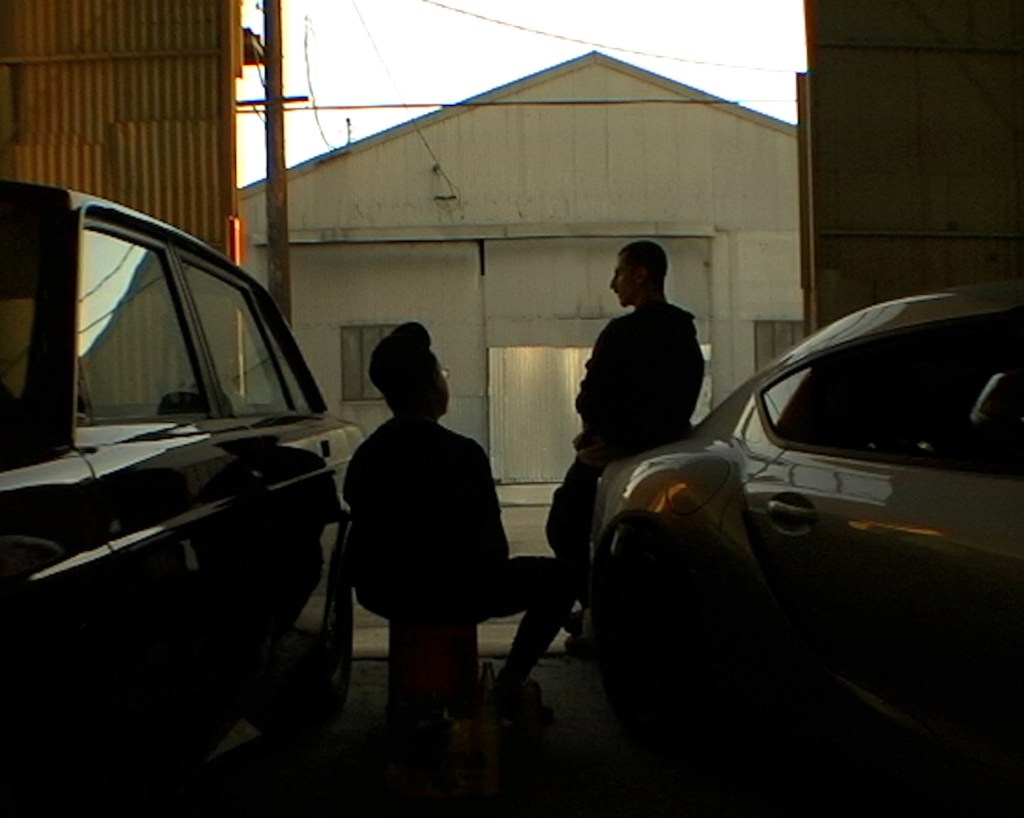
Despite its near-future setting, Tycoon constantly echoes the past. The Olympics have long served as defining moments in national mythmaking, projecting narratives of progress and soft power. The 1964 Tokyo Olympics became a symbol of Japan’s postwar recovery and rapid modernization. Before the 1988 Seoul Olympics, the South Korean government forcibly removed thousands of people labelled as “vagrants”—including homeless people, disabled people, children, and others considered socially undesirable—from public spaces and confined many of them to detention facilities in an effort to present a modern national image. Food shortages have likewise often become catalysts for political unrest. In Poland during the 1970s, protests against the communist government were triggered by rising meat prices and shortages before developing into broader political resistance. However, it seems like Tycoon does not depicting the eve of another revolution, but a continuation of the past.
Zhang drew inspiration from the social function of gangsterism, hence the film’s title, Tycoon (大亨). Historically, organized crime has often operated not merely outside the law but in the spaces where bureaucratic institutions fail, providing informal networks of mutual aid and economic exchange. Such systems depended upon strong communal ties—precisely the kind of social fabric gradually eroded by technological development, economic precarity, and increasing individualization.
This fragmentation is already apparent in the opening scene. Lito and Jay sift through discarded supermarket food in a parking lot, searching for meat that predates the livestock virus. The camera alternates between intimate close-ups of their faces and their hands rummaging through boxes of expired sandwiches. As public institutions collapse under the pressure of overlapping crises, people become increasingly dependent on social services that are already ineffective or financially exhausted. Within this context, seemingly ordinary gestures of care acquire unexpected political significance. A scene in which Lito and Jay cut each other’s hair becomes quietly radical, suggesting forms of mutual support that exist independently of the state. It also reveals what fundamentally distinguishes Zhang’s protagonists from the slackers populating American independent cinema of the 1990s. They are not slackers at all—they are scavengers.
This tension between past and future is reinforced through the film’s visual language. Zhang combines footage shot on iPhone, MiniDV, and Super 8 with black-and-white sequences assembled from newspapers, comic books, photographs, and Xerox-like collages. While the director has explained that these materials evoke a distinctly American visual archive, they also anchor the film within a specifically 1990s media landscape. The film’s strongest historical reference is the 1992 Los Angeles riots, which erupted after four LAPD officers were acquitted despite video evidence showing the brutal beating of Rodney King. The riots exposed profound racial and economic inequalities in Los Angeles, with Koreatown suffering disproportionate destruction amid longstanding tensions between Black and Korean American communities. By borrowing the visual vocabulary associated with this historical moment, Zhang transforms Tycoon’s speculative future into a landscape already haunted by unresolved conflicts from the past.
The result is a film suspended between temporalities. Rather than imagining a radically different future, Tycoon suggests that we continue to inhabit the unrealized futures of previous generations. The film resonates with Mark Fisher’s notion of capitalist realism, in which it becomes easier to imagine the end of the world than the end of capitalism, and with Jacques Derrida’s concept of hauntology, where the present remains haunted by futures that never came to pass. Zhang’s dystopia therefore feels strangely familiar. Its apocalypse does not arrive as a singular catastrophe but unfolds gradually through accumulated failures, deferred political possibilities, and everyday acts of survival.

Balancing documentary immediacy with speculative fiction, Tycoon captures a historical moment in which the boundaries between past, present, and future have become increasingly unstable. The film demonstrates how contemporary cinema is often finding its most original forms not through traditional narrative filmmaking but through artists whose backgrounds lie in the visual arts. In doing so, Zhang offers a vision of the future that is less about prediction than about archaeology—excavating the ghosts of histories that continue to shape the present.
*”Tycoon” (2026, dir. Charlotte Zhang) premiered at the 2026 International Film Festival Rotterdam.
Have a WordPress.com account? Log in now.

